
Portfolio filtering, team pages, project storytelling and the other features that help referred clients choose you.
Stop showing work. Start proving mastery. When a realtor sends a $2M+ client to your site at 11pm on their phone, your gallery might impress, but does it prove what you're capable of?
Can they find projects in their market? See your team's depth? Understand how you solve complex challenges?
Here are 11 website capabilities that turn static portfolios into active proof systems—features that demonstrate team expertise, show problem-solving capability, and answer the questions luxury residential clients are actually asking.
Built for professionals who get business from referrals.
These capabilities give prospects control over what they see and let them explore your work on their own terms. Portfolio filtering finds relevant projects instantly. Team integration shows who does the actual work. Project storytelling proves problem-solving capability, not just aesthetic taste.
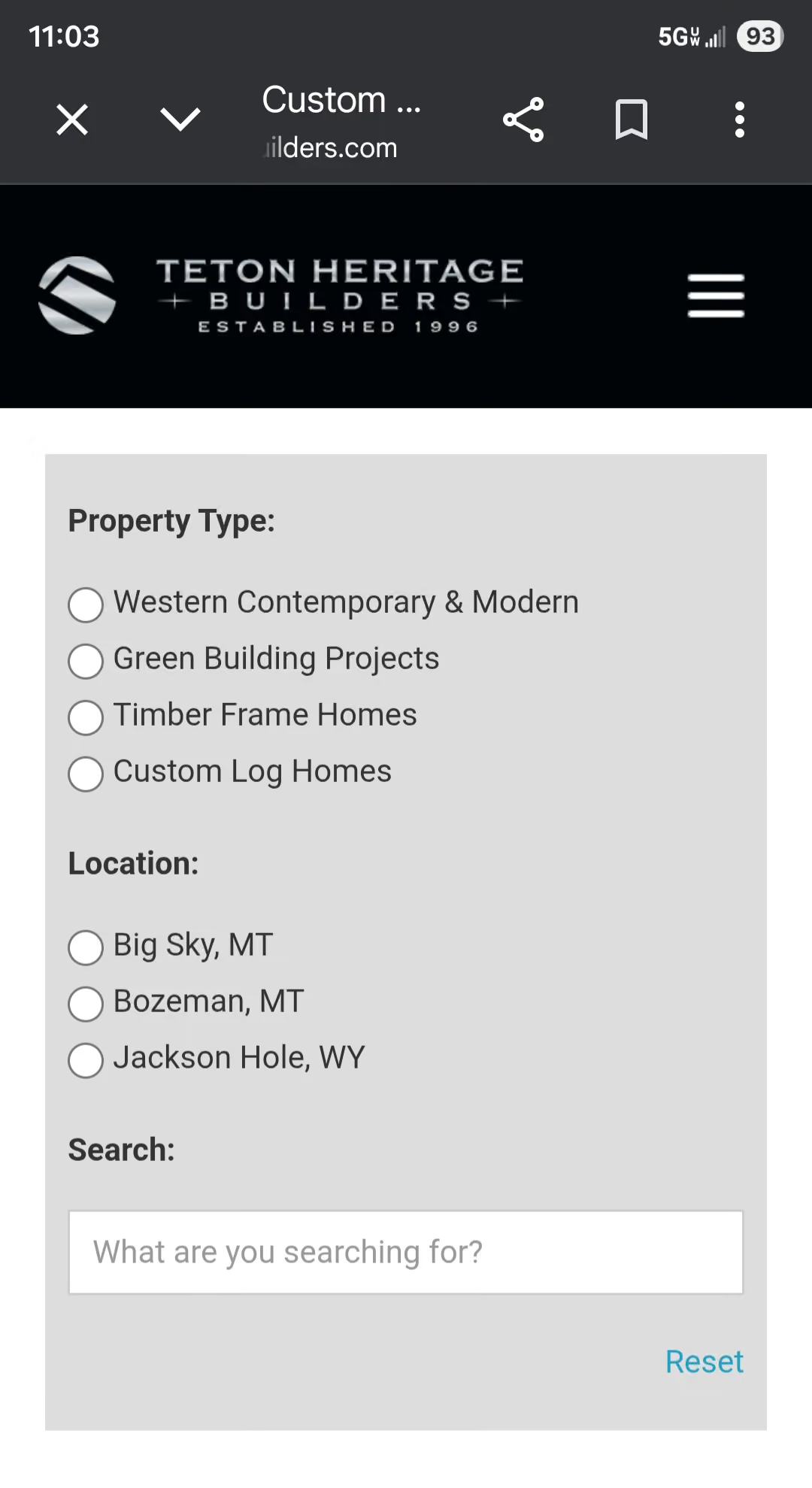
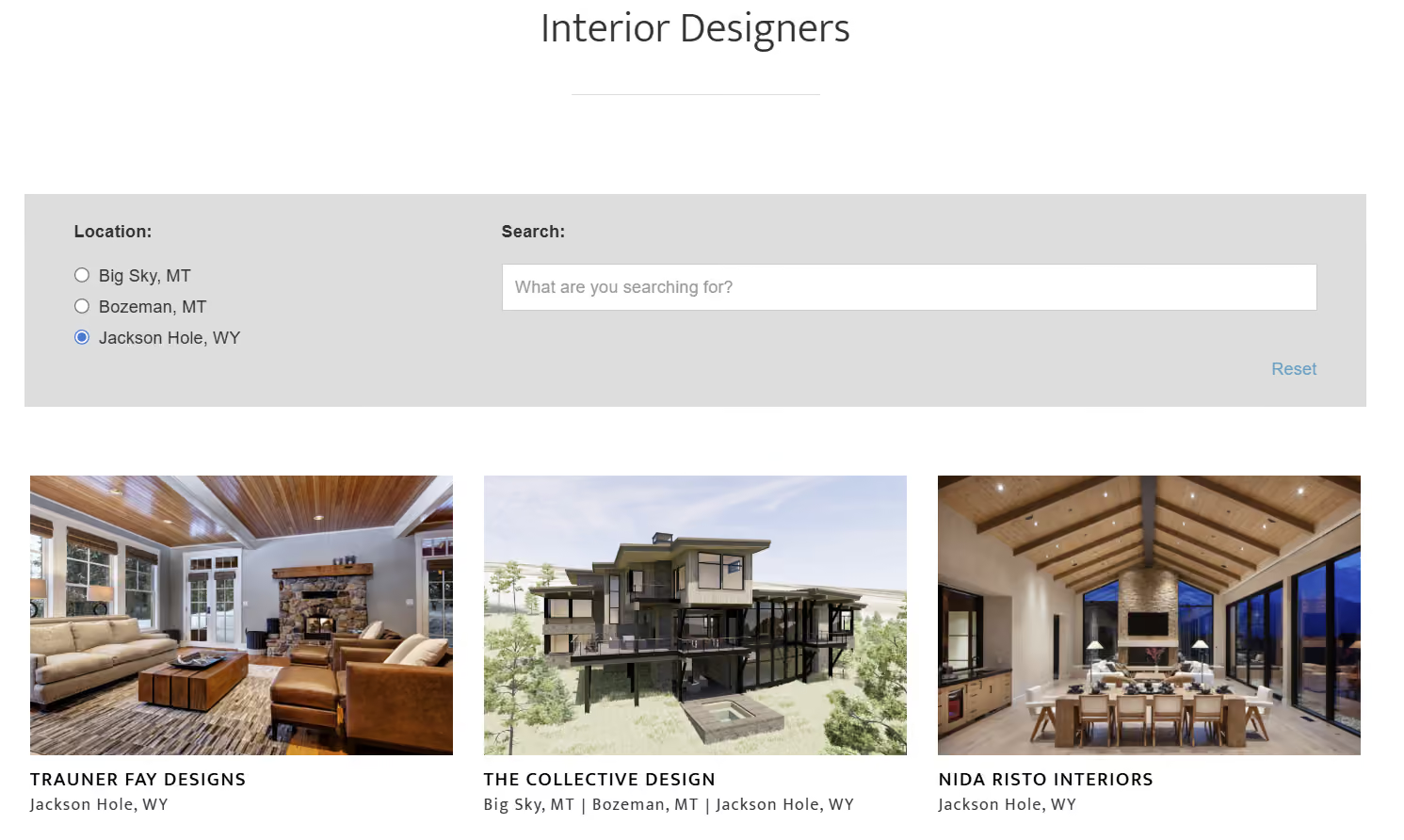
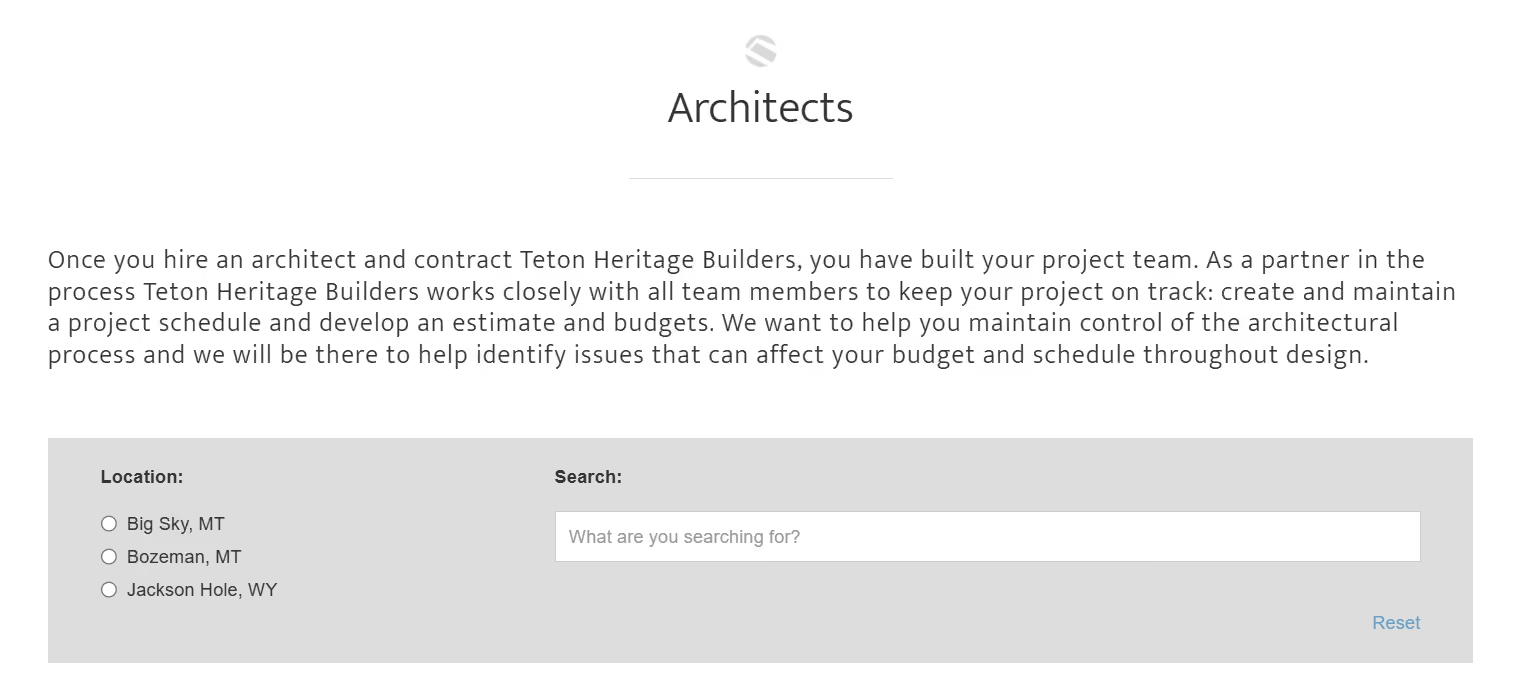
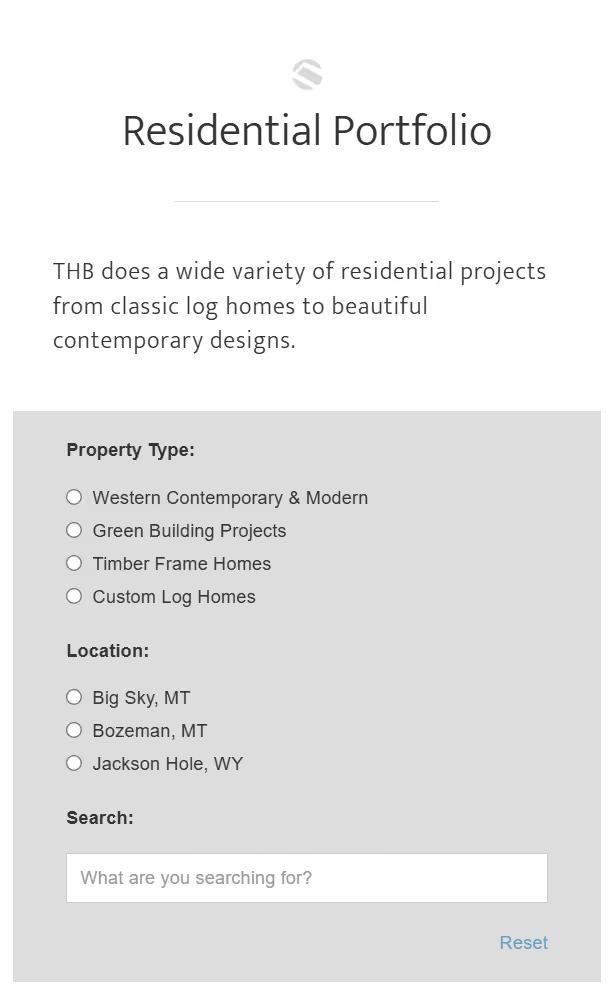
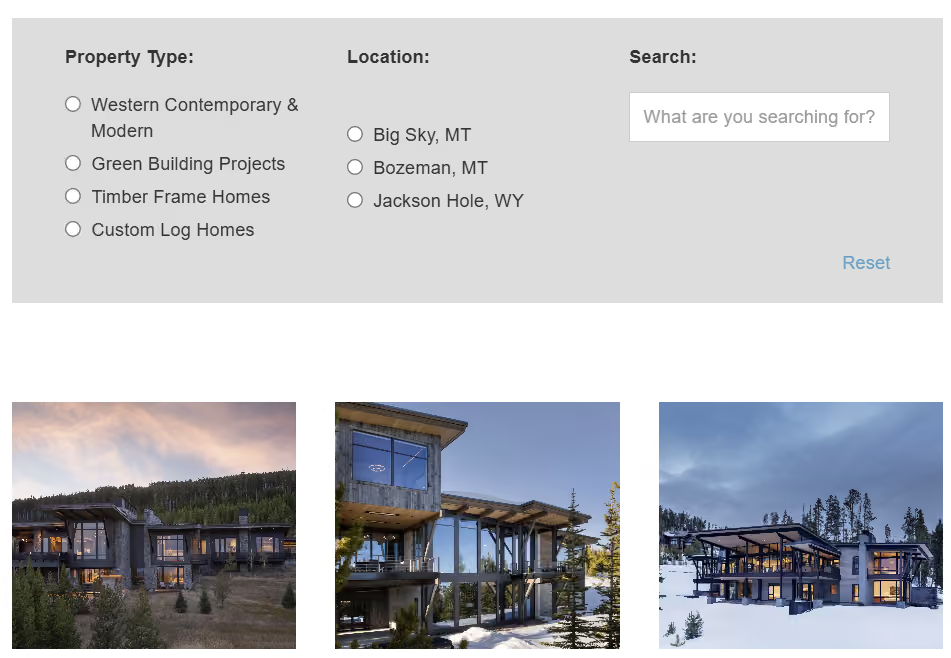
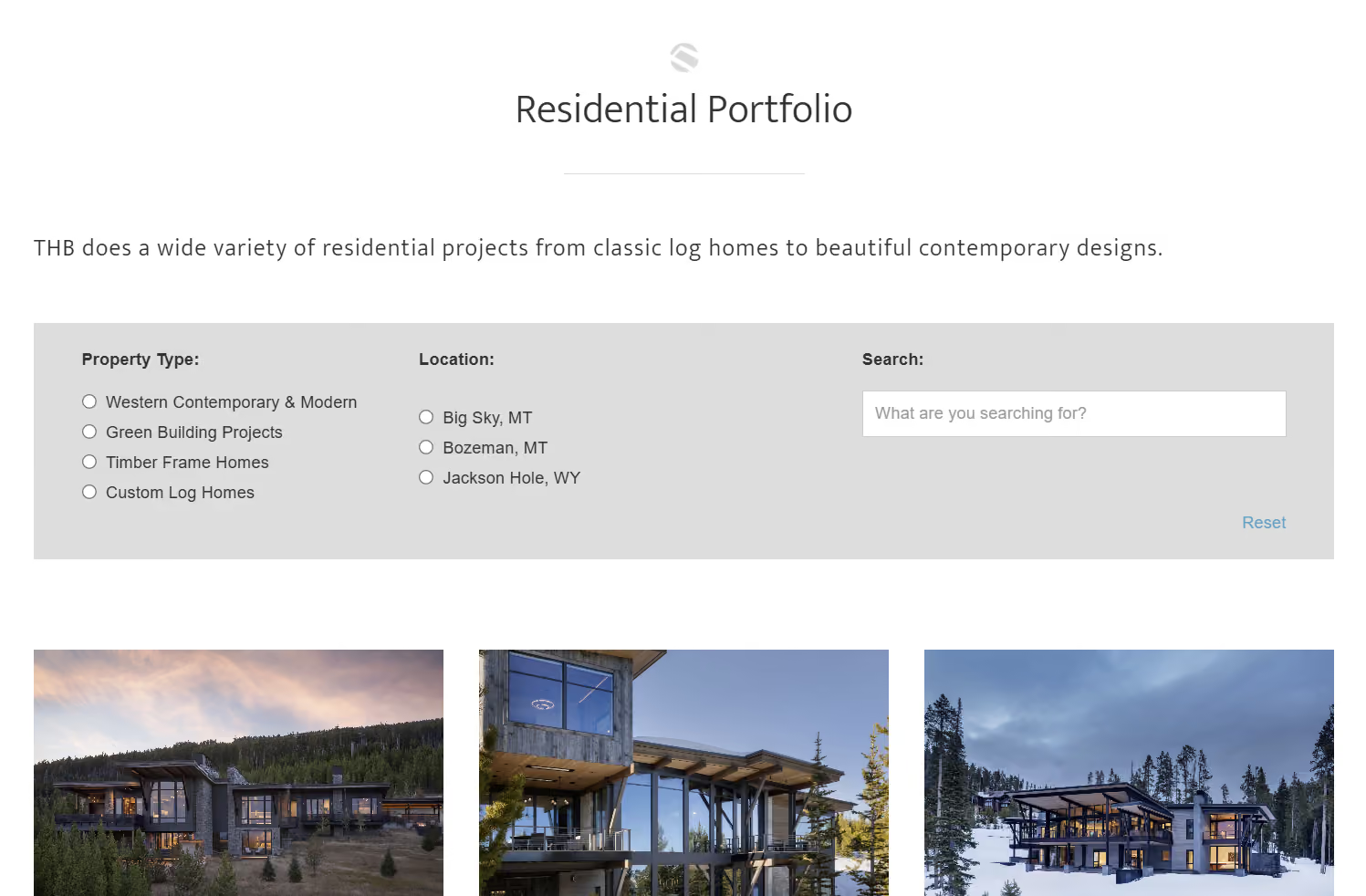
Prospects filter your portfolio by location, architectural style, price range, or project scope. They see exactly the projects relevant to them without scrolling through everything you've ever built.
A realtor referring a $2M+ modern build in Jackson Hole doesn't want to scroll through your traditional mountain estates in Bozeman. They want to see Jackson projects. Modern aesthetics. Similar budgets. Portfolio filtering lets them validate the referral in 30 seconds instead of spending 10 minutes hunting through unrelated work.
This is especially critical for firms working across multiple markets or styles. Interior designers with both residential and commercial portfolios need prospects to filter by project type. Landscape architects working on estates and urban gardens need style filtering. Custom home builders spanning $2M-$10M need budget filtering.
Without portfolio filtering, prospects either see everything (overwhelming) or you manually curate galleries by category (time-consuming and inflexible). This website capability handles it automatically.
View a project and see everyone involved—superintendent, project manager, architect, interior designer, landscape architect. Click any team member and see all the projects they've worked on and the publications and videos that mention their work. It works both directions with unlimited cross-referencing.
High-net-worth clients evaluate teams, not just finished homes. When a $2M+ prospect sees your superintendent has successfully delivered 15 projects in their price range, that's validation. When they see your project manager has worked with the same architect on multiple estates, that's reassurance. This website feature lets prospects understand the depth of your team's experience without you having to explain it in every conversation.
Most custom home builder websites show team headshots with a paragraph bio. That tells prospects nothing about actual project experience. Dynamic team integration shows the work, not just the words.
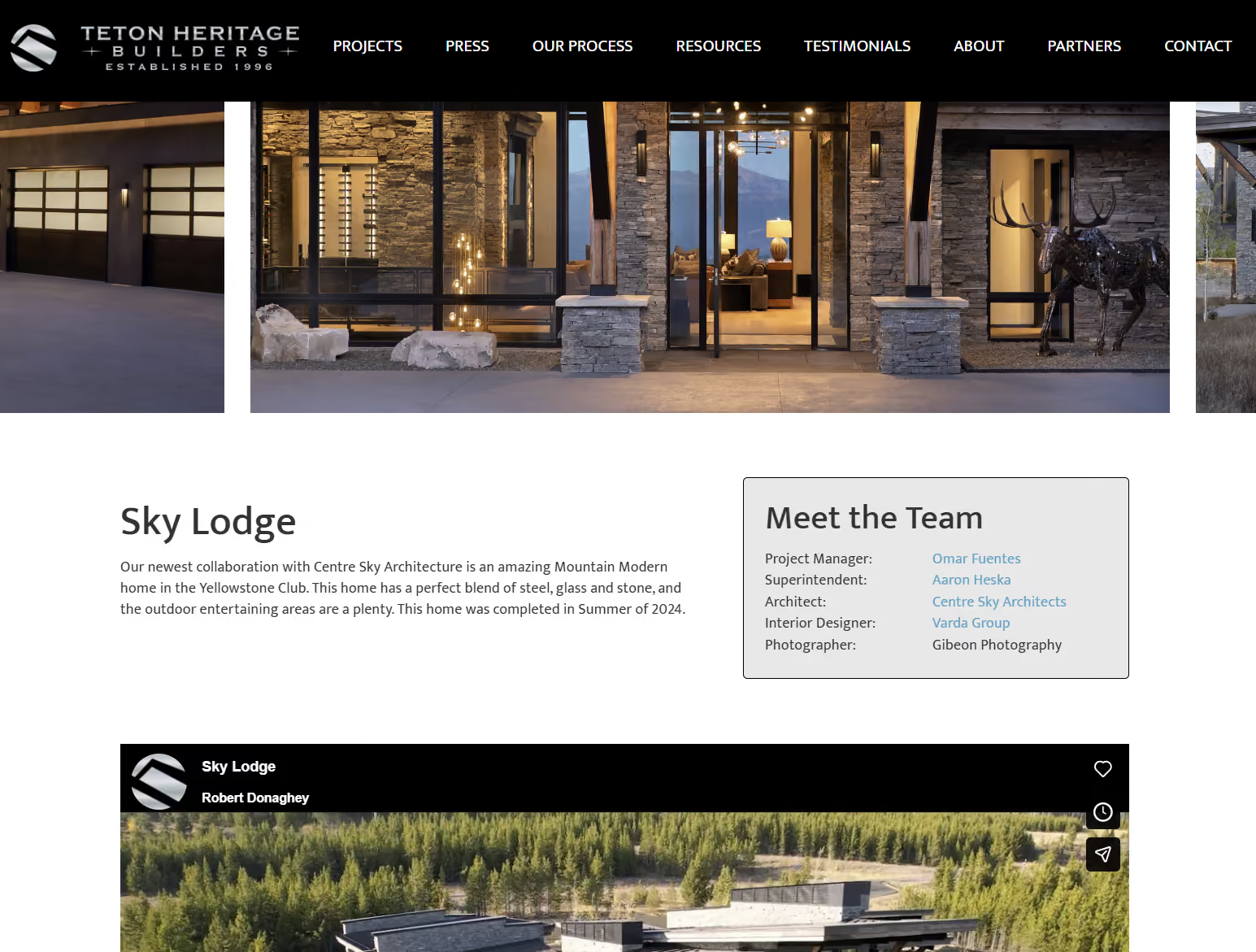
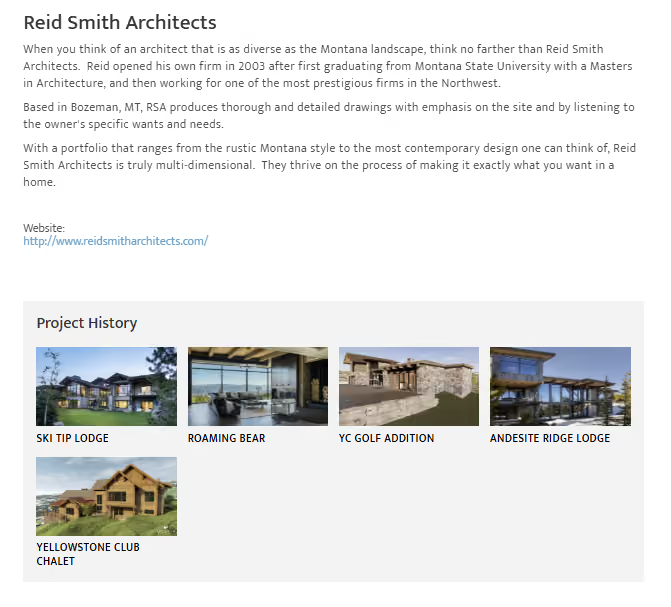
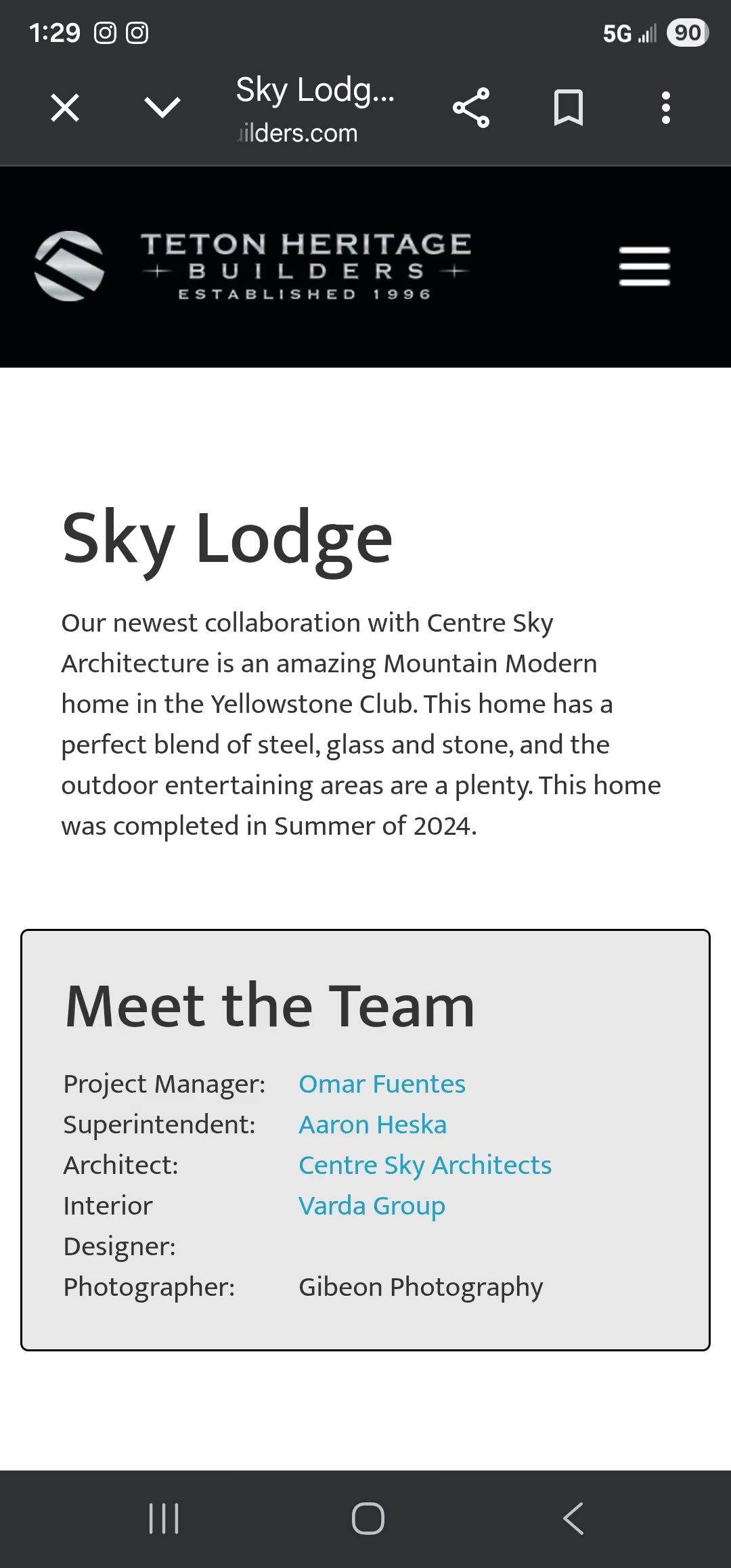
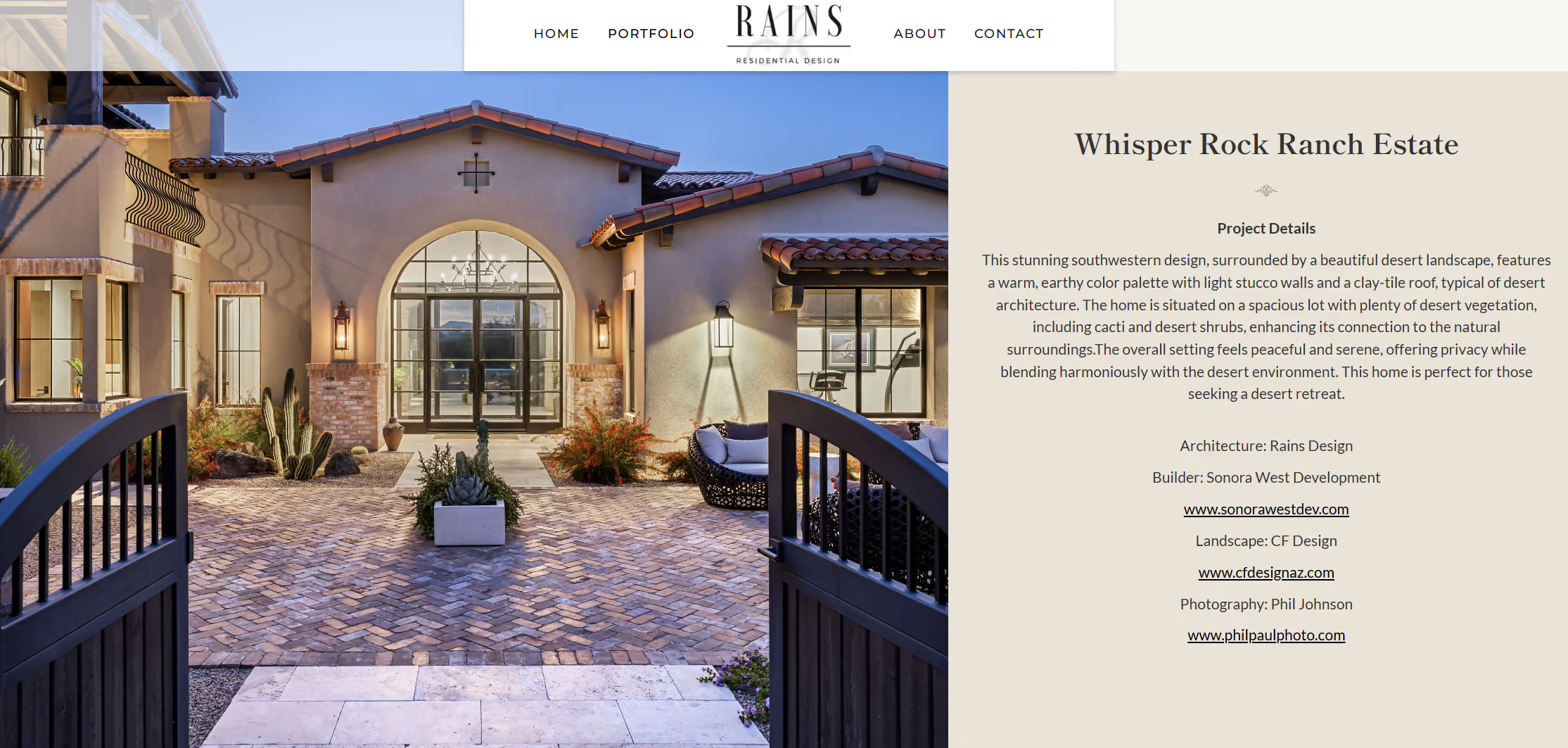
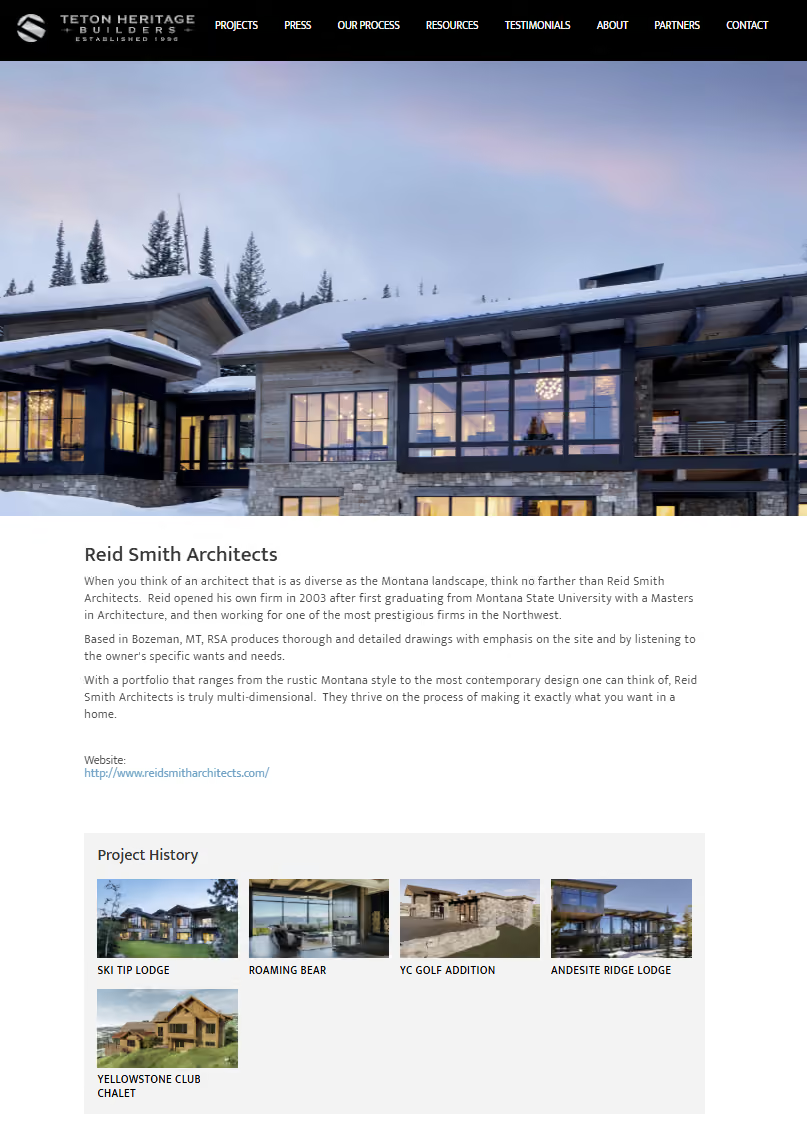
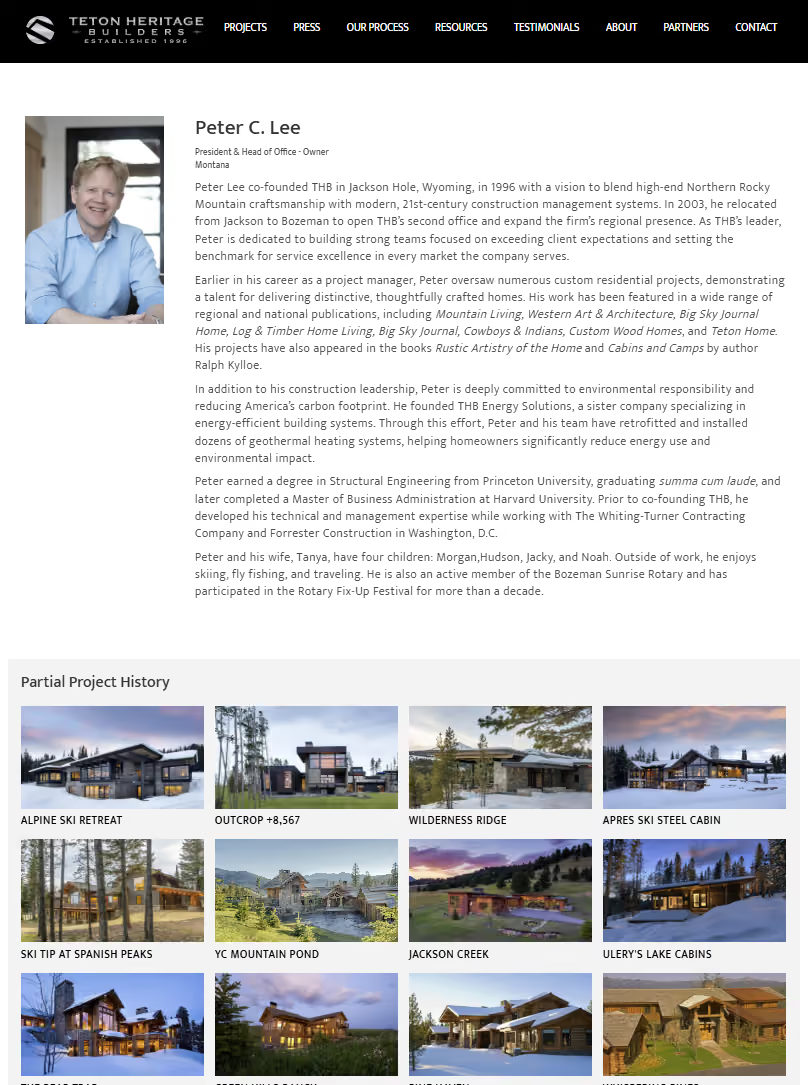
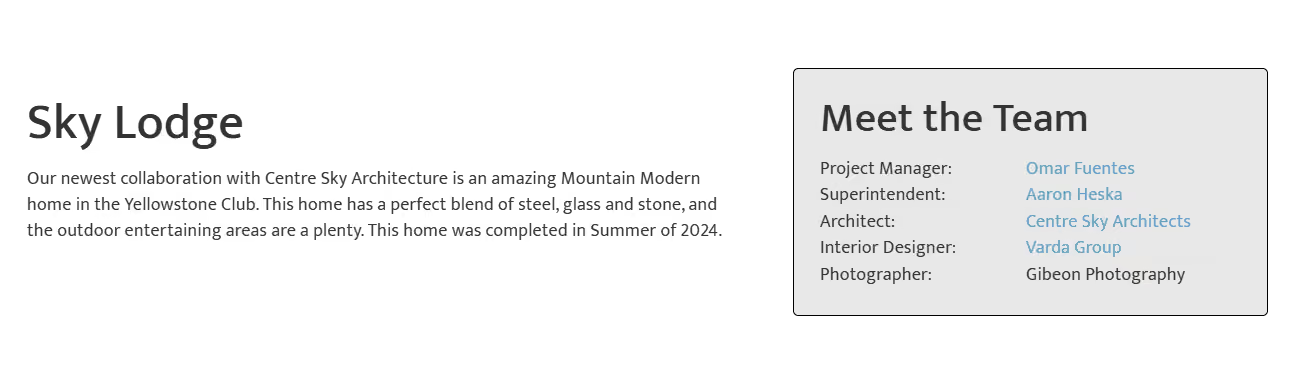
Detailed team member bios cross-referenced with specific projects, videos, publications, and partner relationships. Each person's page shows their actual contributions, not just a headshot and paragraph.
Luxury residential projects involve multiple specialists. Your clients aren't just hiring a company—they're hiring the superintendent who'll manage the build, the designer who'll specify finishes, the project manager who'll coordinate architects.
Team credibility showcase lets prospects evaluate the actual people they'll work with. When your lead designer's page shows the 12 projects they've led, the publications featuring their work, and the architects they collaborate with, that builds confidence.
This website feature works alongside dynamic team integration. One shows breadth of experience (all projects a team member has touched), the other shows depth (their background, expertise, and professional recognition).
Each project page details the challenges, solutions, team involvement, process, and outcomes—not just beauty shots. Prospects understand the thinking behind the work, not just the final result.
High-end residential clients are evaluating problem-solving capability, not just aesthetic taste. When a project page explains how you navigated site constraints, coordinated with preservation requirements, integrated sustainable systems, or solved structural challenges, that demonstrates expertise.
Project storytelling transforms your portfolio from a pretty gallery into proof of competence. It answers the questions prospects are actually asking: Can you handle complex projects? Do you work well with architects? How do you manage unexpected challenges?
For custom home builders, this might cover site logistics, engineering solutions, or material sourcing. For interior designers, it could detail client collaboration, furniture specification, or space planning constraints. For landscape architects, it might explain drainage solutions, native plant integration, or phased installation.
The storytelling doesn't need to be long—200-300 words captures the key points without overwhelming visitors. But it needs to be there.
A visual content management system where you update projects, add team members, publish blog posts, and manage your site—no coding required. We provide training and ongoing support so you develop the skills to control your own content while we're here to help whenever needed.
Most custom home builders and interior designers don't want to become web developers. You want to add a new project, update a team member bio, or publish a blog post without calling your web designer every time.
Webflow CMS gives you that control through a visual editor. Click the element you want to change, type new content, upload new images, and publish. No code. No complicated backend. No breaking things accidentally.
We provide comprehensive training during your site launch and remain available as a trusted partner. Think of it like your other professional relationships—your accountant trains you on QuickBooks but is there when you need help. We do the same with your website.
The alternative is WordPress, which requires constant plugin updates, security patches, and technical maintenance. Or proprietary systems where you're completely dependent on the developer. Webflow strikes the balance: you have control, we provide training and support, and the platform handles security automatically.
Visual presentation matters in luxury residential. These capabilities ensure your work looks exceptional on every device, loads instantly, and never competes with your projects for attention. Image-first design, mobile optimization, and strategic social proof placement all work together to create a professional digital presence that validates referrals.
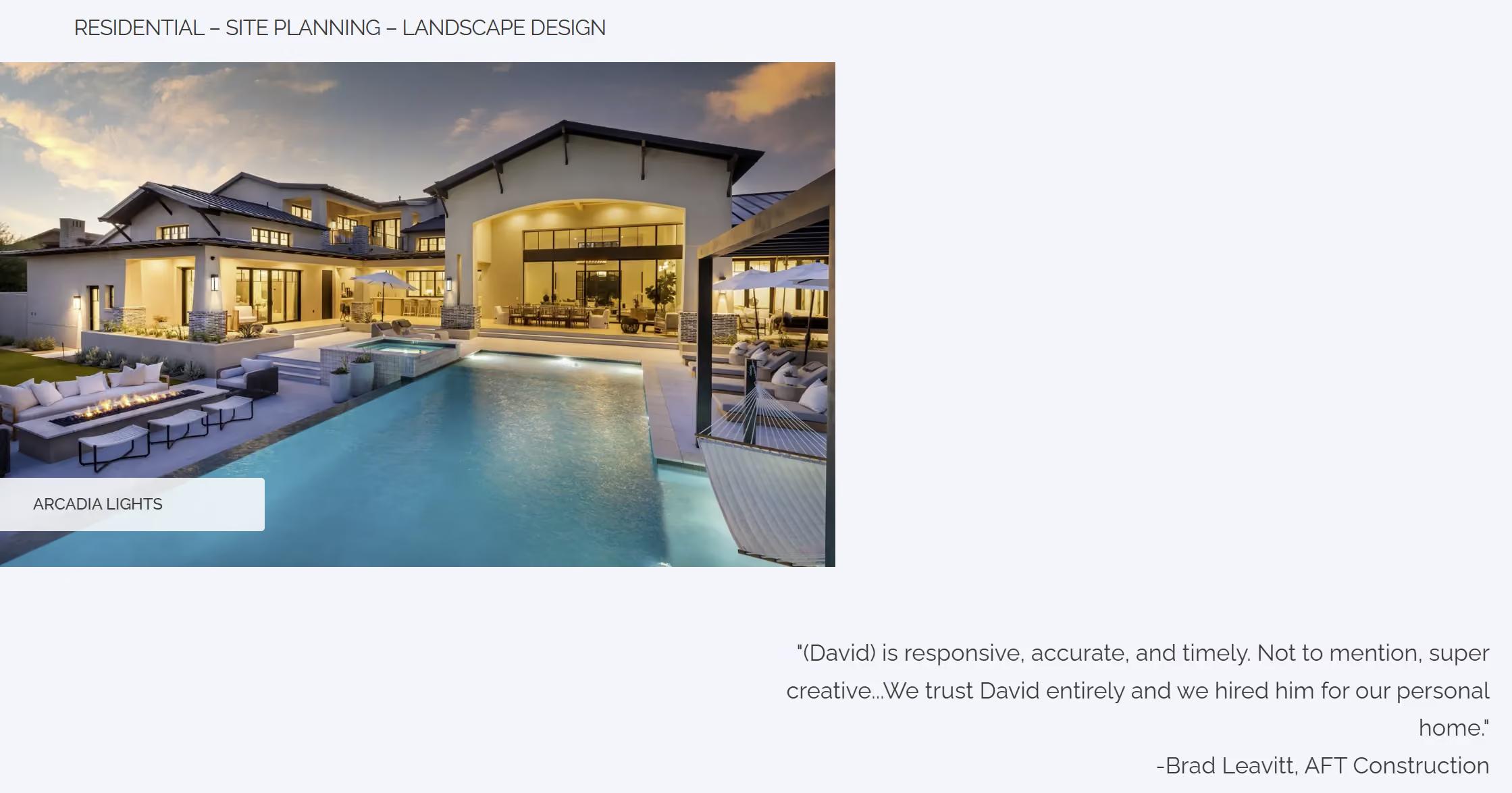
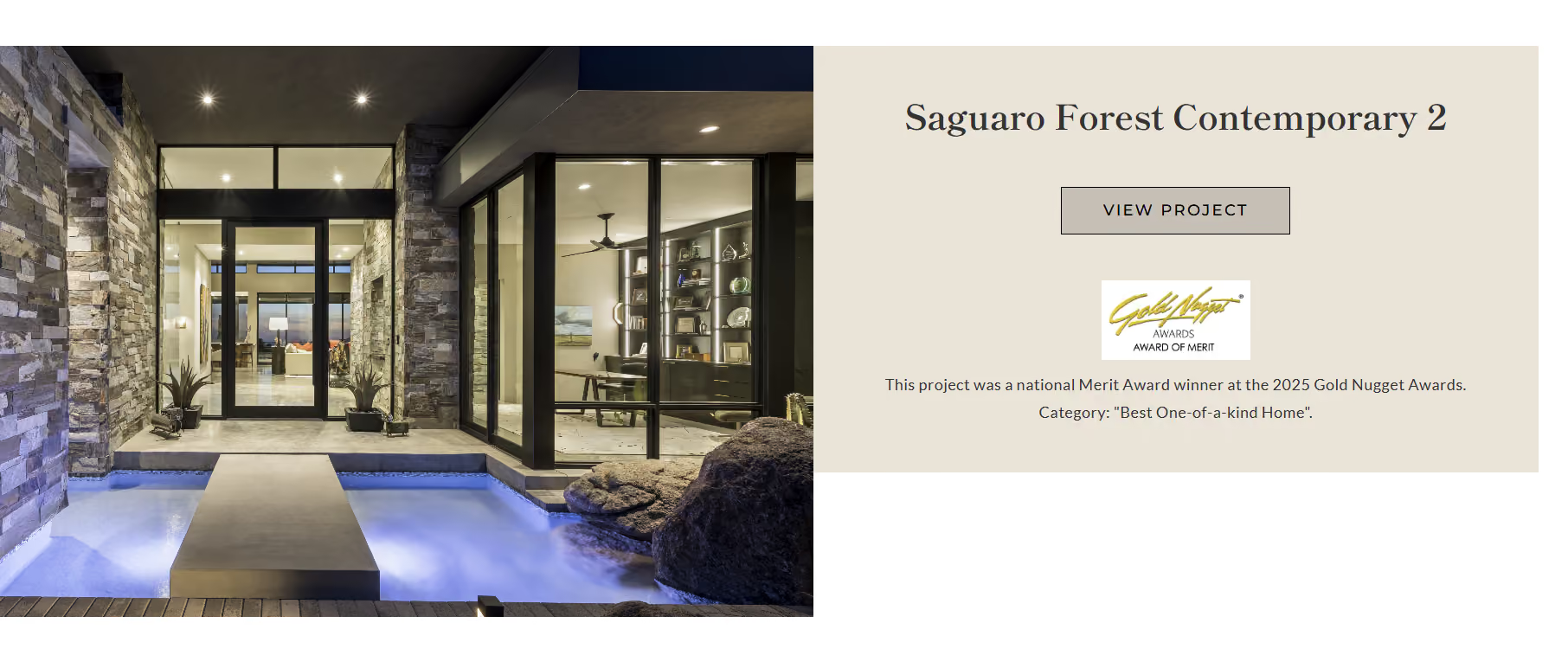
Awards, publications, industry recognition, and client testimonials woven throughout your site—not buried on a separate "About" page. Credibility signals appear naturally where prospects need reassurance.
High-net-worth clients evaluate risk obsessively. Social proof reduces perceived risk by showing that others have trusted you successfully.
When a project page mentions the home was featured in Mountain Living, that's validation. When a team member's bio notes their ASID award, that's credibility. When a testimonial from a past client describes the experience, that's reassurance.
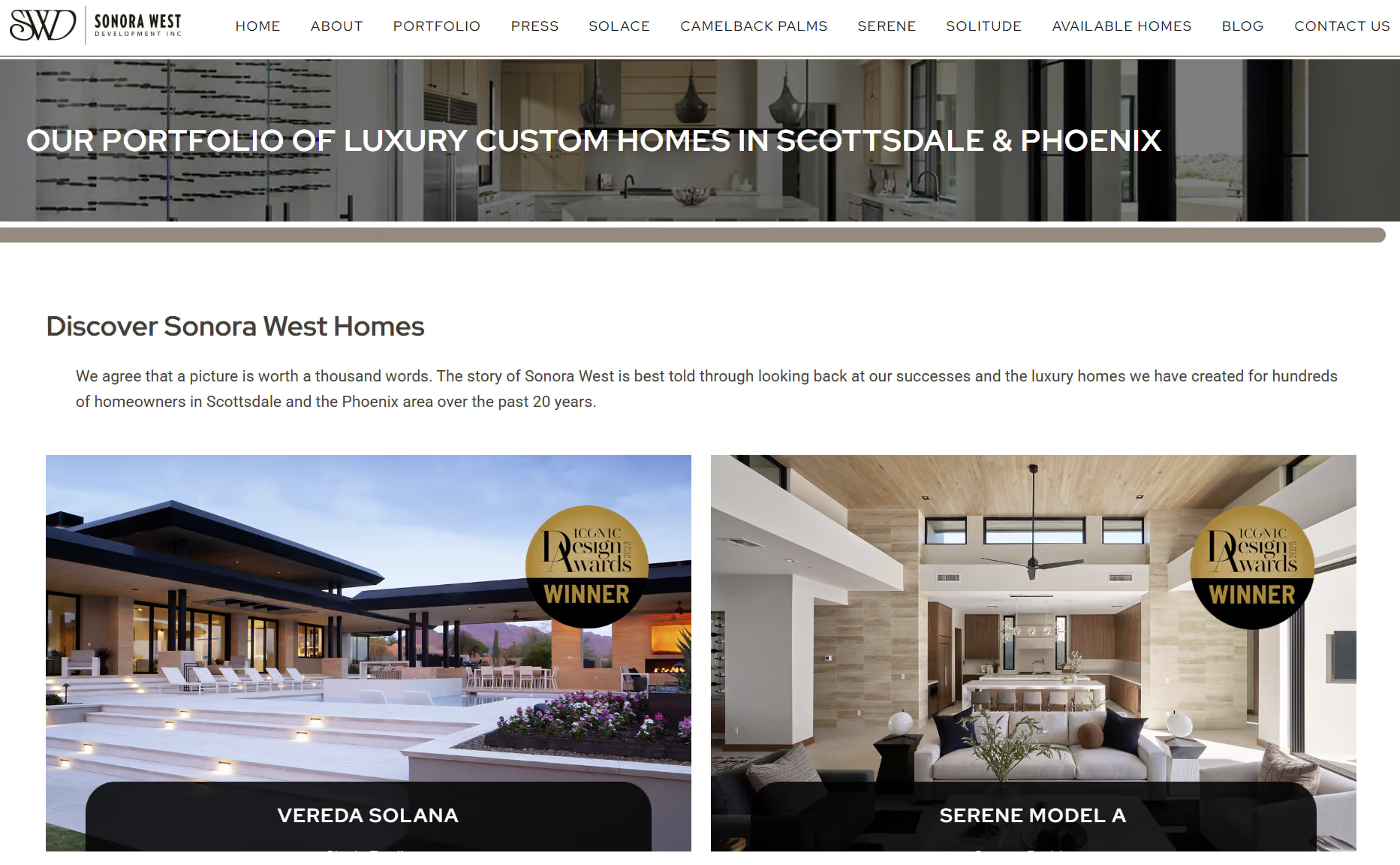
Social proof integration means these elements appear contextually, not in a single dump. A Best of Houzz badge on your homepage. Publication logos in project galleries. Client quotes on service pages. Award recognition in team bios.
The alternative is the traditional "Awards" page that nobody visits. Social proof integration distributes credibility throughout the site so prospects encounter it naturally during their research.
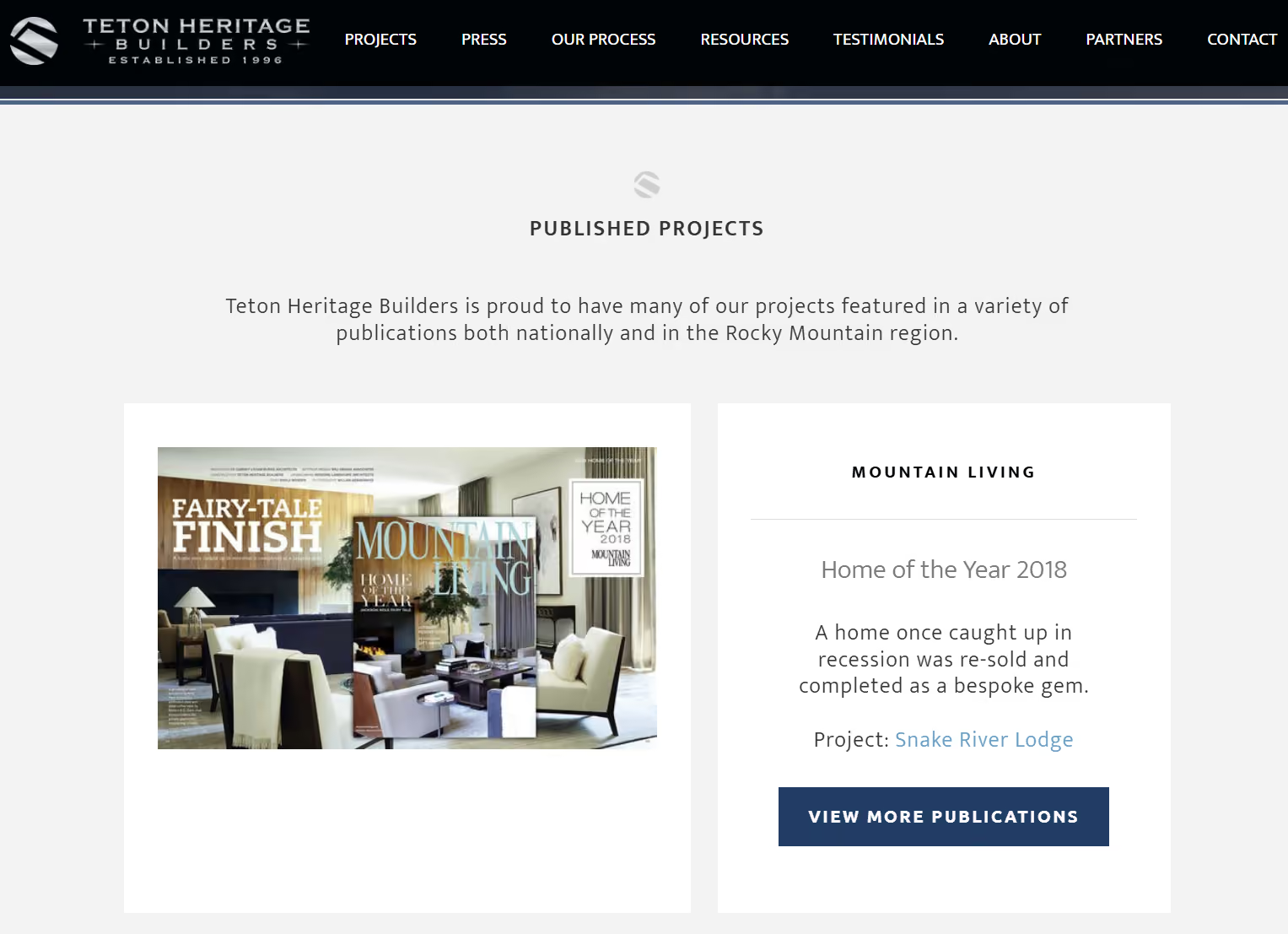
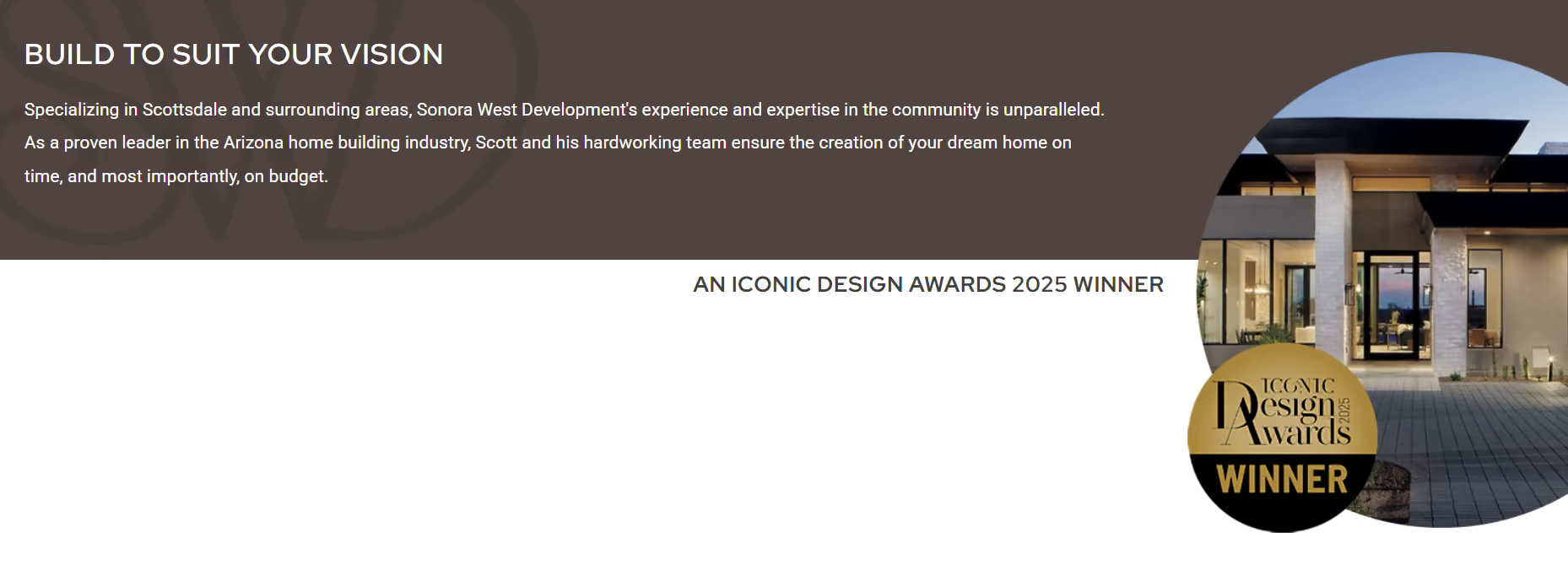
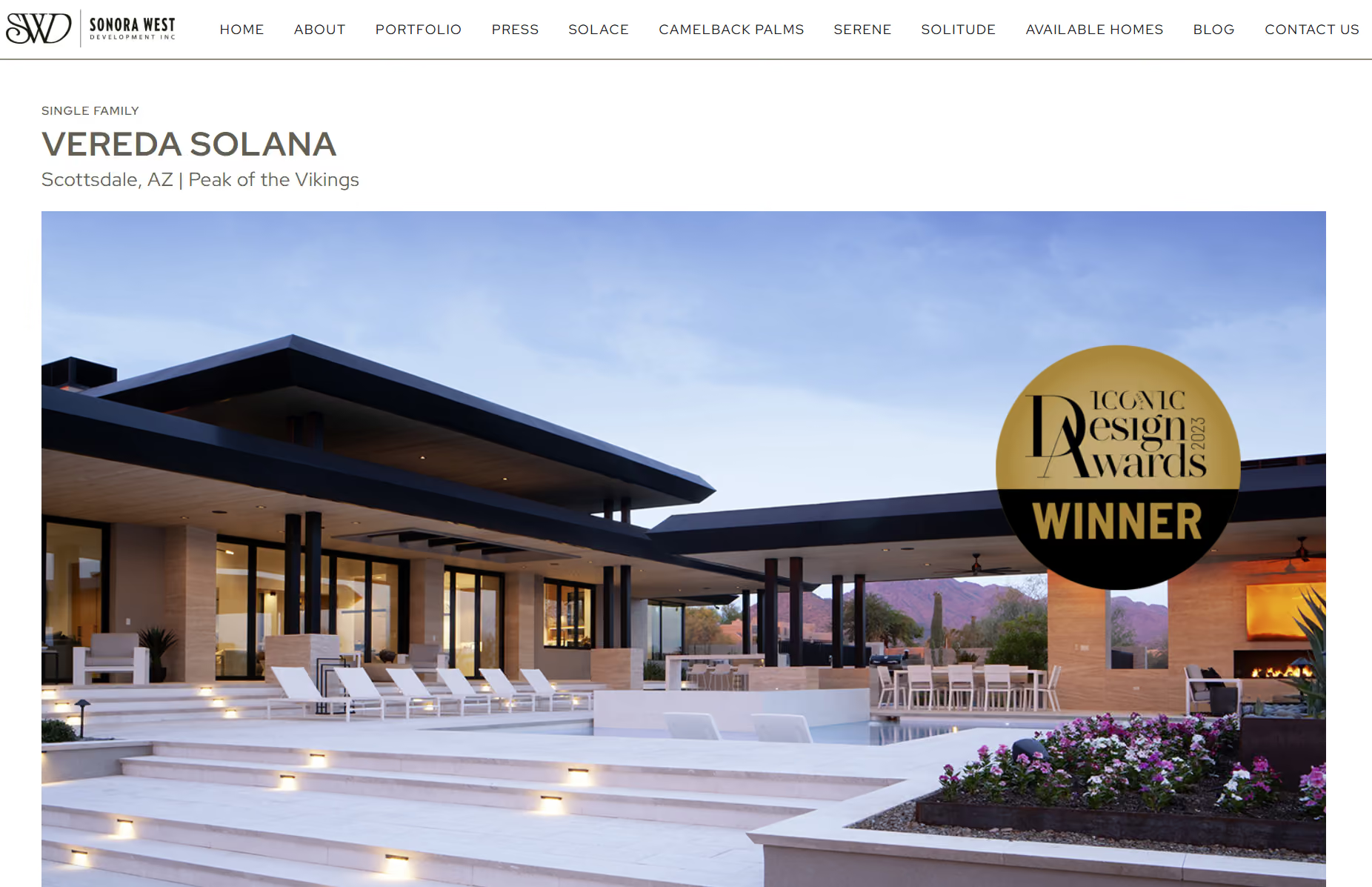
Your website is calibrated for brand-name searches, not organic lead generation. When someone Googles "[Your Company Name]" after getting a referral, they land on your portfolio instantly and see your best work.
Custom home builders, interior designers, and landscape architects working on $2M+ projects don't get business from Google searches for "custom home builder [city]."
You get business from trusted referrals—realtors, architects, past clients, and industry partners.
Your website's job isn't to generate cold leads. It's to validate the referral that just happened.
Most web designers will pitch you on ranking #1 for "custom homes Scottsdale" or "interior designer Jackson Hole."
But that's not how luxury residential works. High-net-worth clients don't Google broad searches. They get a name from someone they trust, then they Google that specific name to validate the recommendation.
Referral validation focus means your site is optimized for what actually drives your business: making sure when someone Googles you, they're impressed. Fast load times, prominent portfolio, clear credibility signals, and professional presentation throughout.
NDD is just like you—we get our clients from trusted sources. We understand the value in delivering more than you promised, and we're always exploring the cutting edge of our craft to bring clients every advantage we can.
Your portfolio displays perfectly on phones and tablets. Images load fast, navigation works intuitively, galleries are touch-friendly, and nothing requires zooming or horizontal scrolling.
Eighty percent of referrals check you out on their phone first. They're sitting in a realtor's office, riding home from an architect meeting, or reviewing options on their couch at night. If your site doesn't work flawlessly on mobile, you've lost them before the conversation even starts.
Mobile optimization isn't just "responsive design" where everything shrinks. It's deliberate decisions about what prospects see first on a small screen, how image galleries behave with touch gestures, and whether your 10MB project photos load in 3 seconds or 30 seconds on cellular data.
Luxury residential clients expect quality in every interaction. A broken mobile experience signals the opposite.
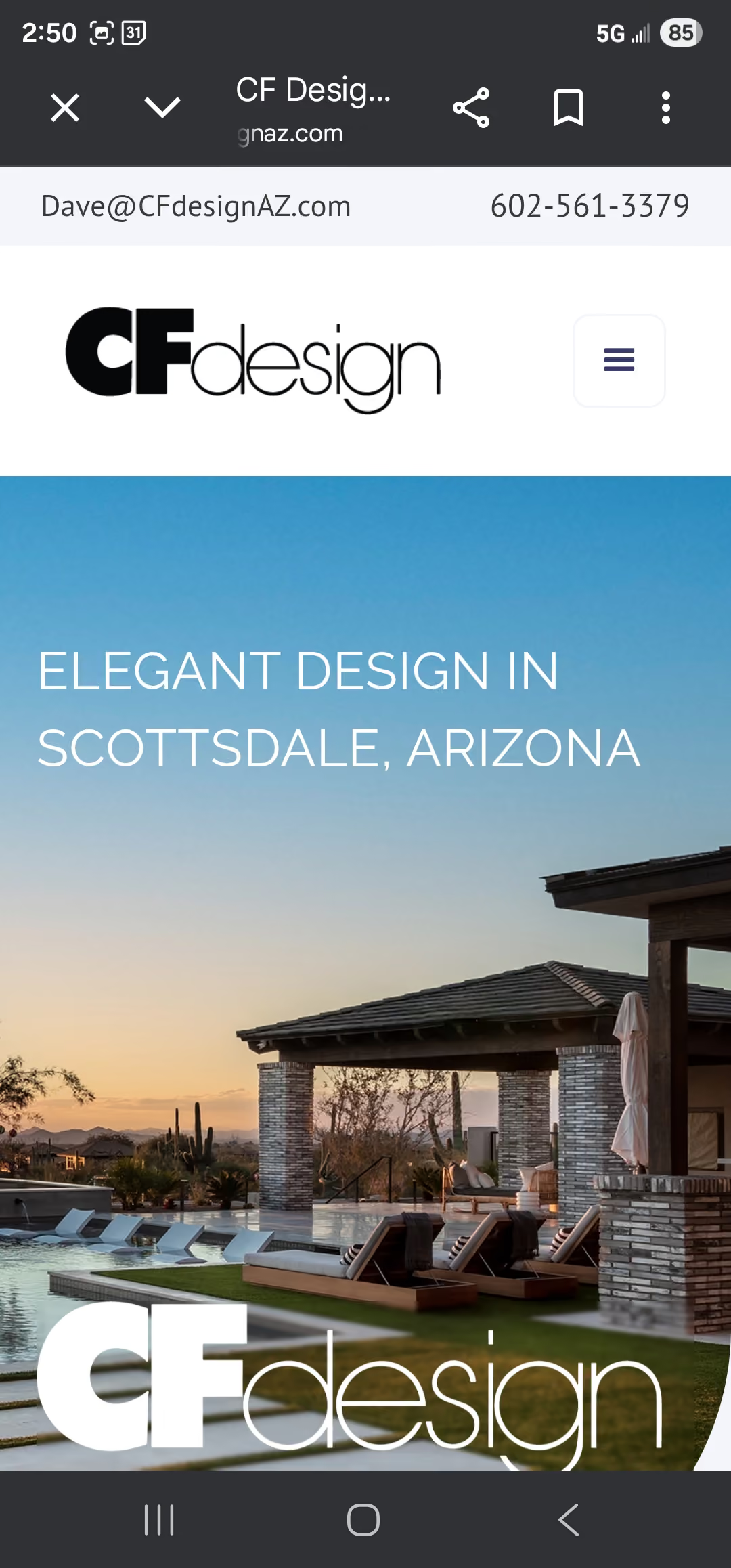
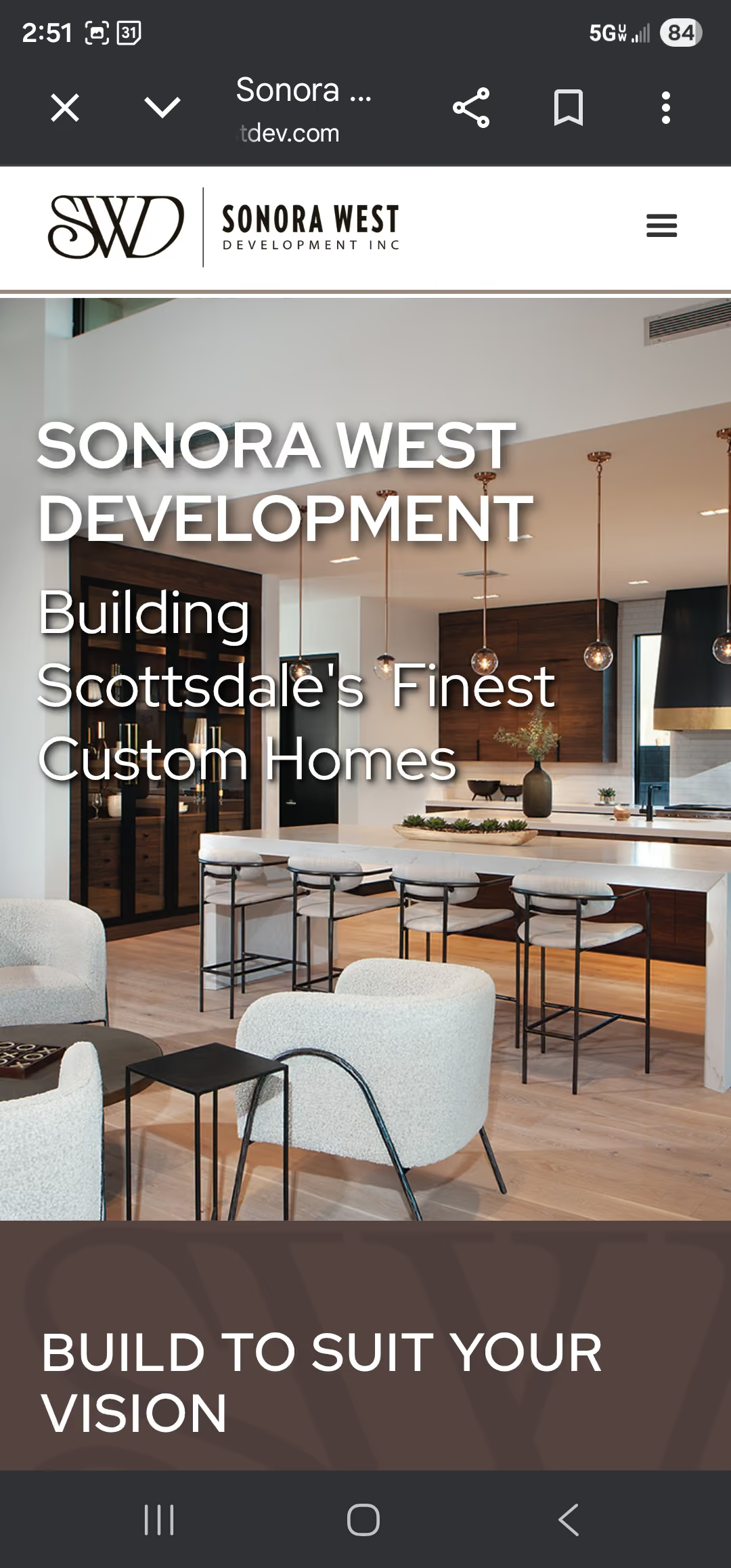
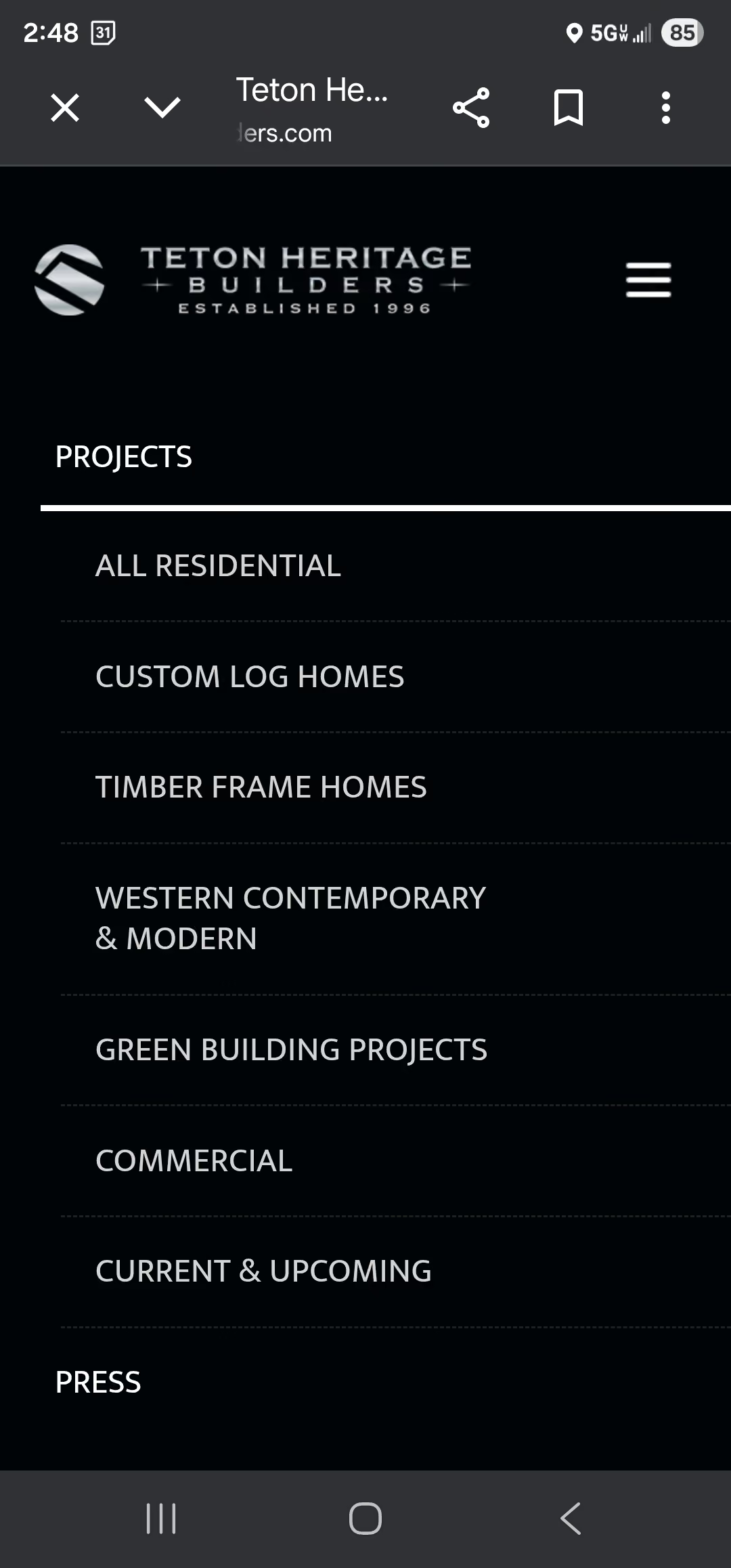
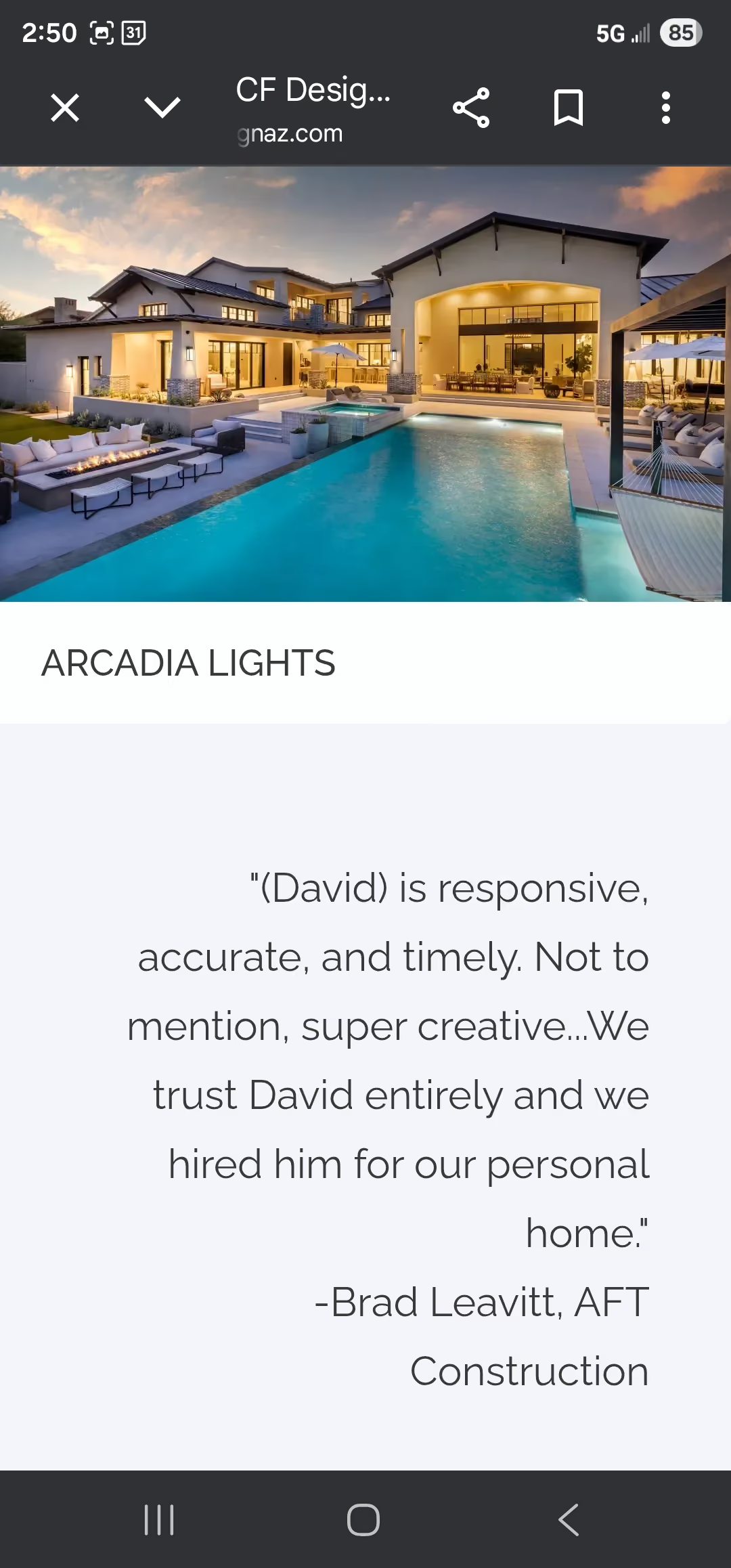
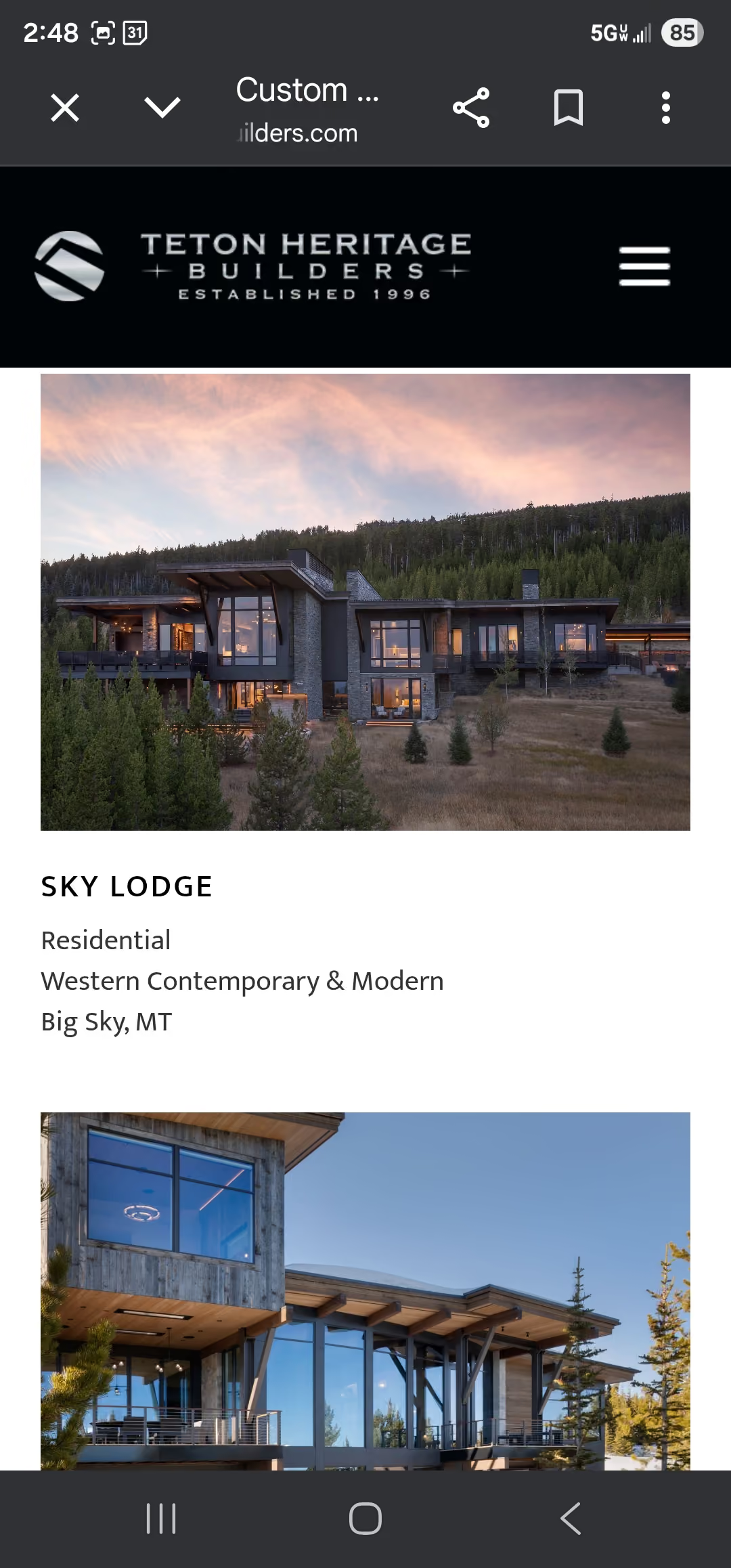
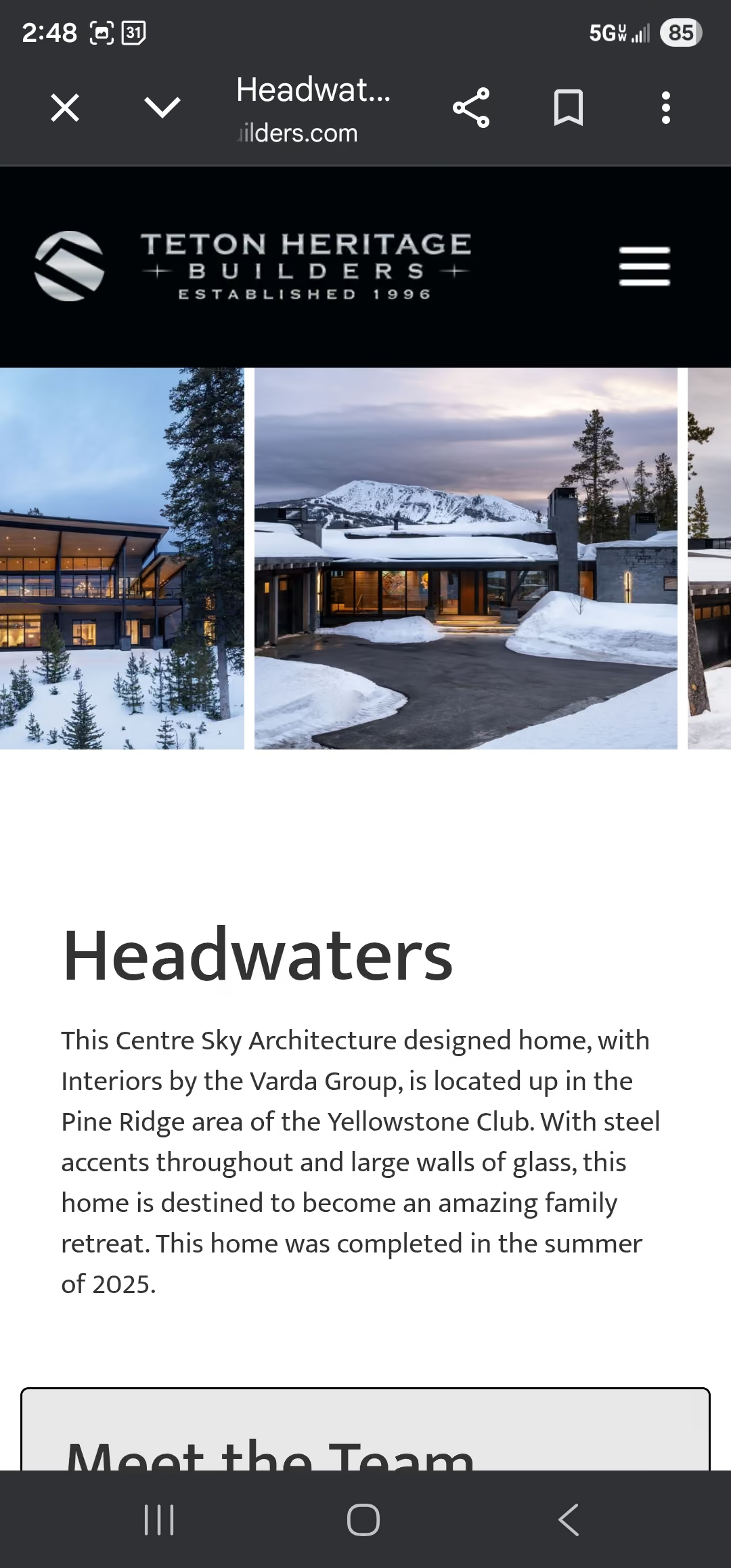
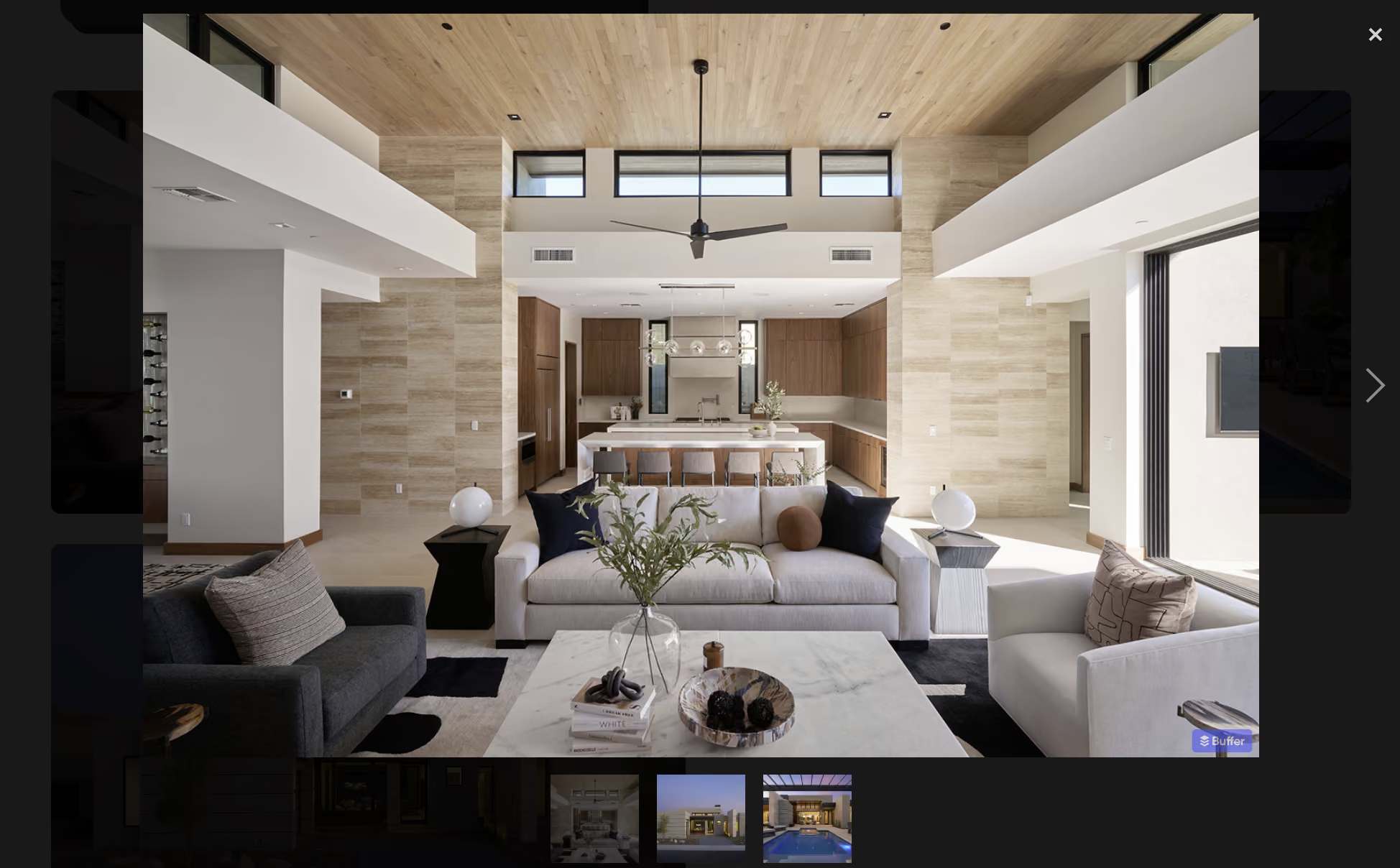
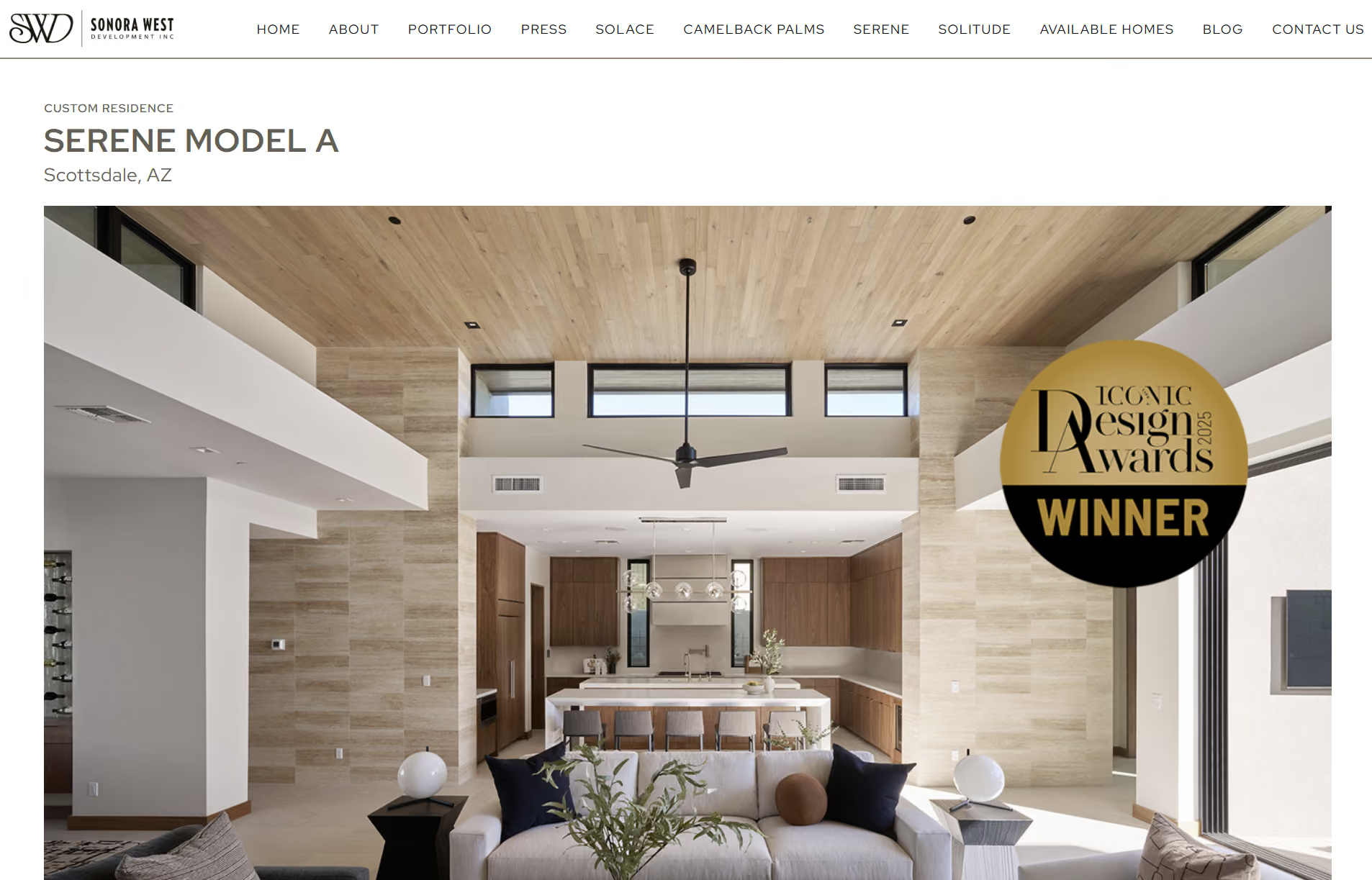
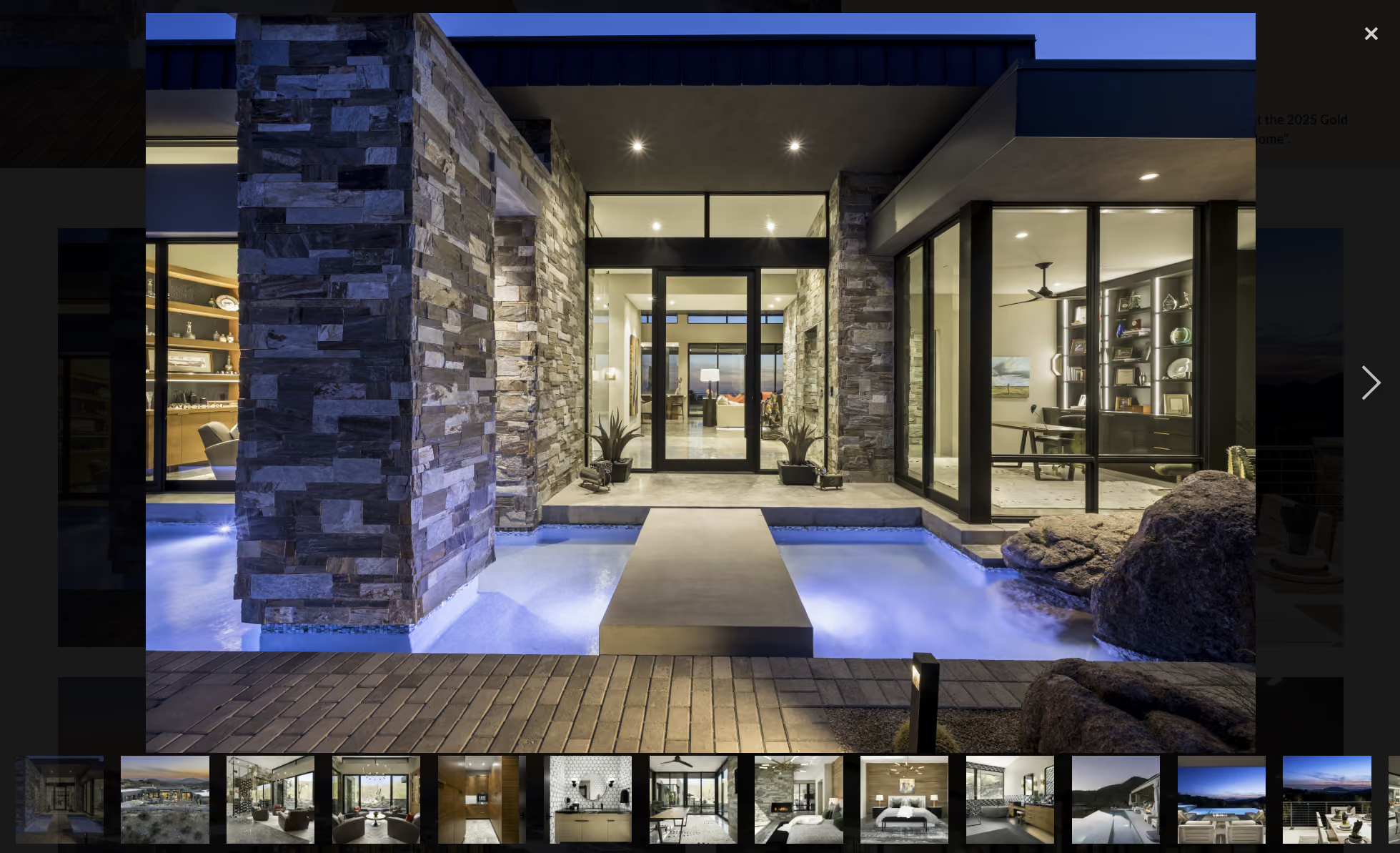
Your work can't be described with words alone. Image-first design means high-resolution galleries with lightbox viewing, immersive full-screen presentation, and zero design elements competing for attention. Your projects are the hero.
A $2M+ custom home, an investment-level interior, or an estate landscape is a visual experience. Prospects need to see the craftsmanship, the materials, the spatial relationships, and the finished quality.
Image-first design prioritizes those visuals above everything else. Large format images. Minimal text. Generous white space. Lightbox galleries that let prospects view full-resolution photography without distraction.
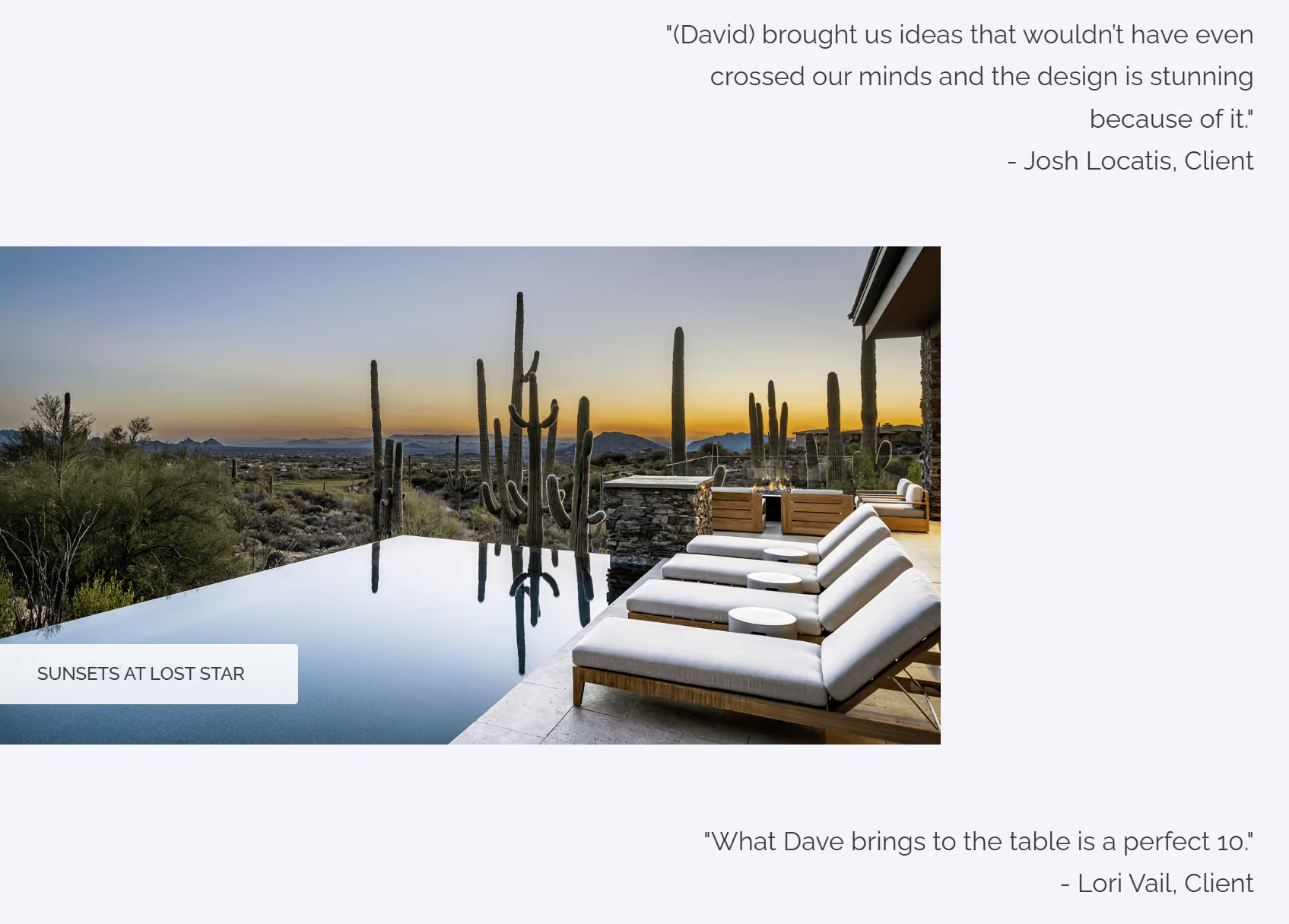
This philosophy extends to every page. Your homepage features projects, not generic stock photos. Your service pages include work examples, not icons and bullet points. Your team pages show projects alongside bios.
The design never competes with your work. Our job is to showcase your projects beautifully, not to show off our design skills. Clean, sophisticated layouts where nothing gets in the way of the kitchen, the landscape, or the craftsmanship you've delivered.

Technical optimization calibrated for how luxury residential actually works. You don't get $2M+ clients from Google searches—you get them from referrals. These capabilities make sure when prospects Google your company name to validate that referral, your site appears instantly with rich results that communicate professionalism before they even click.
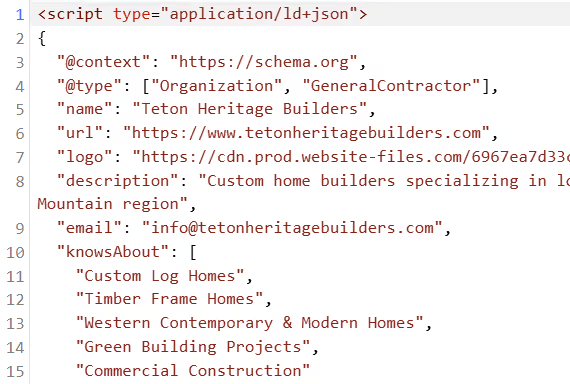
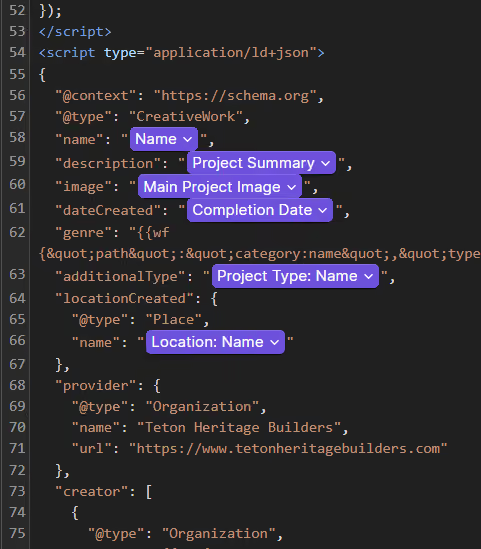
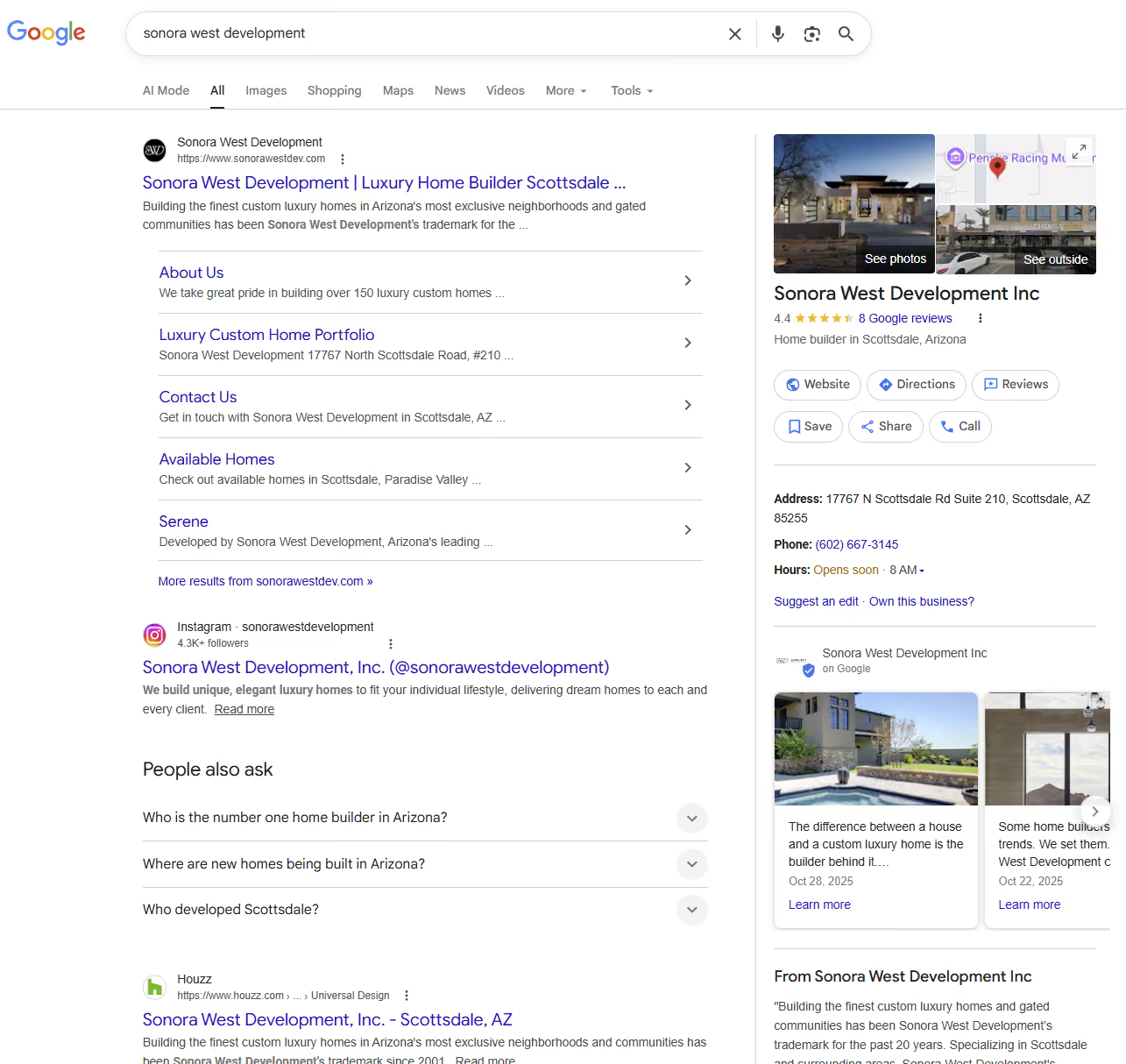
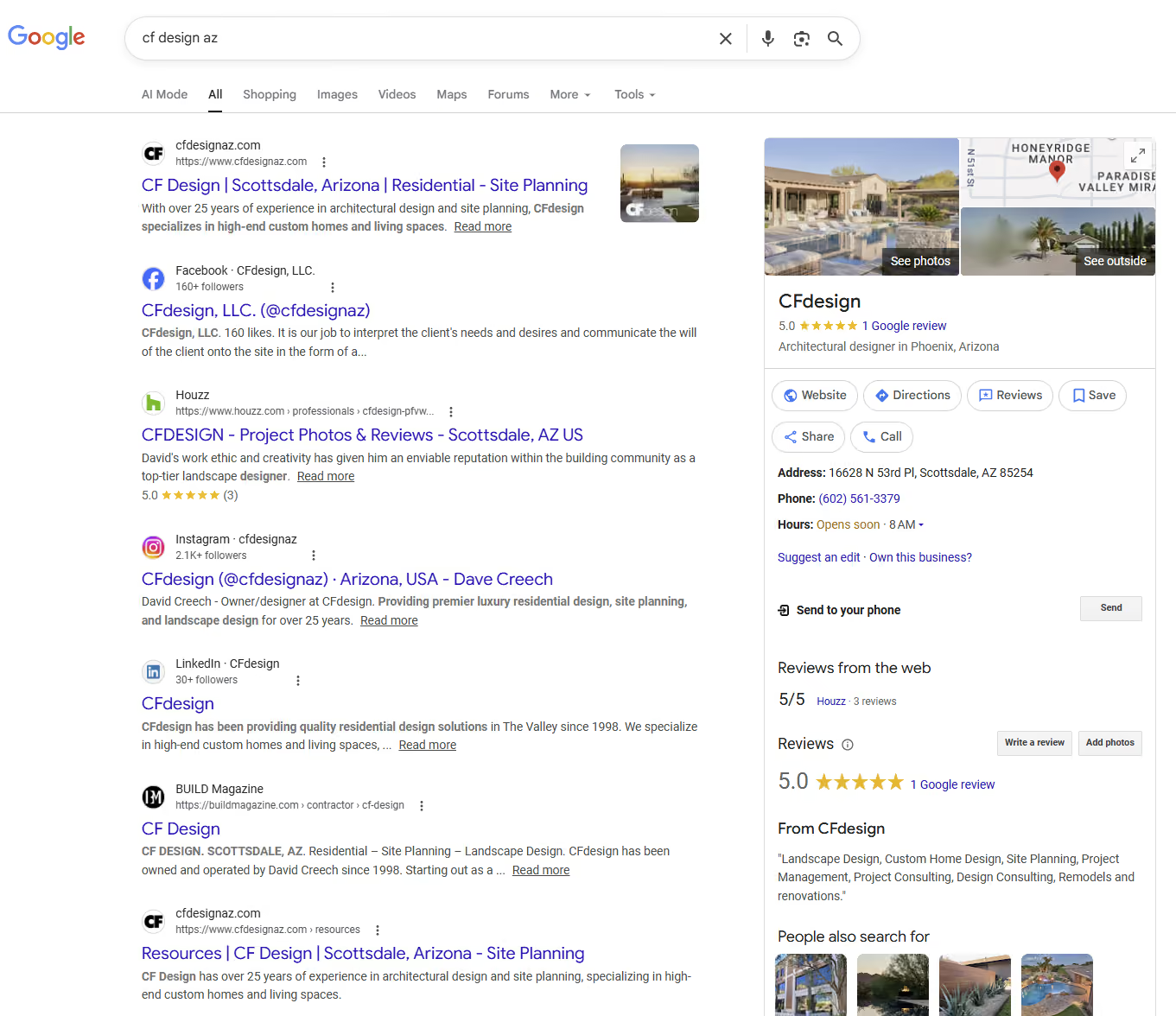
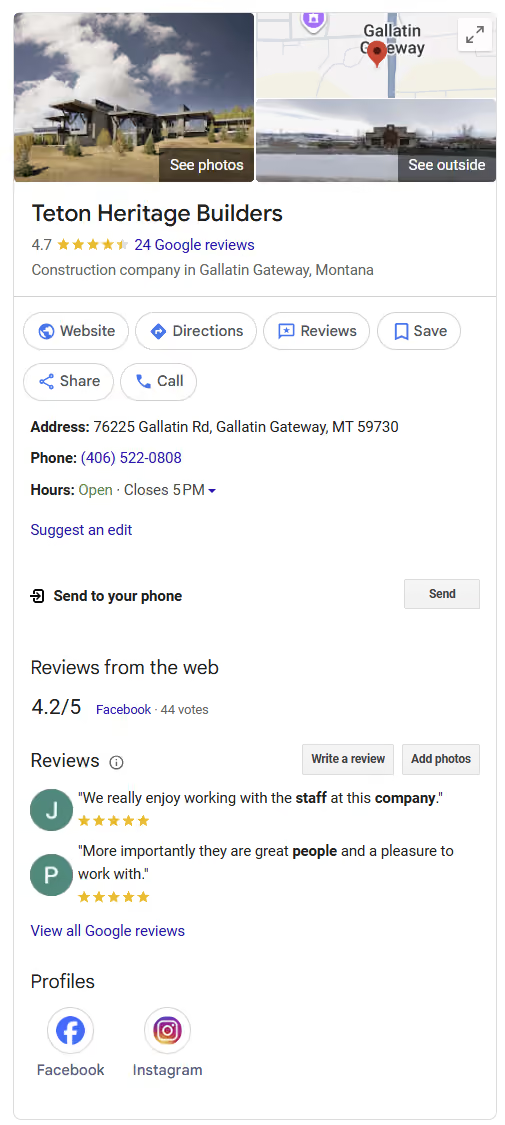
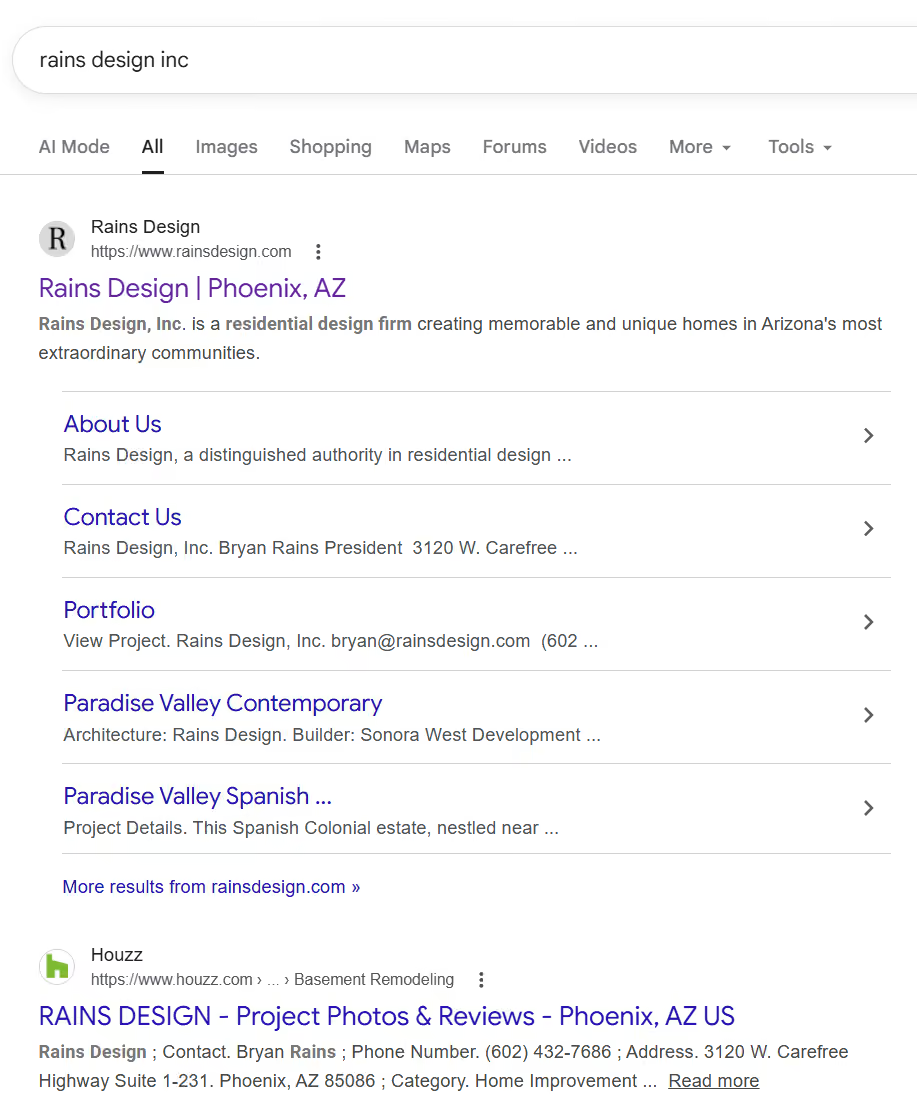
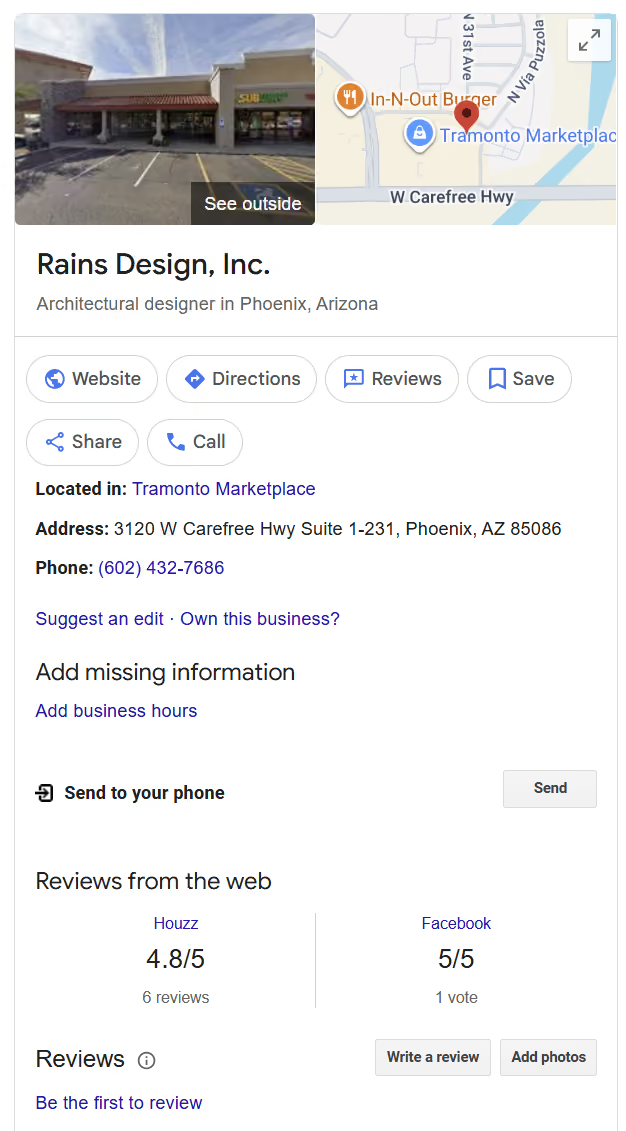
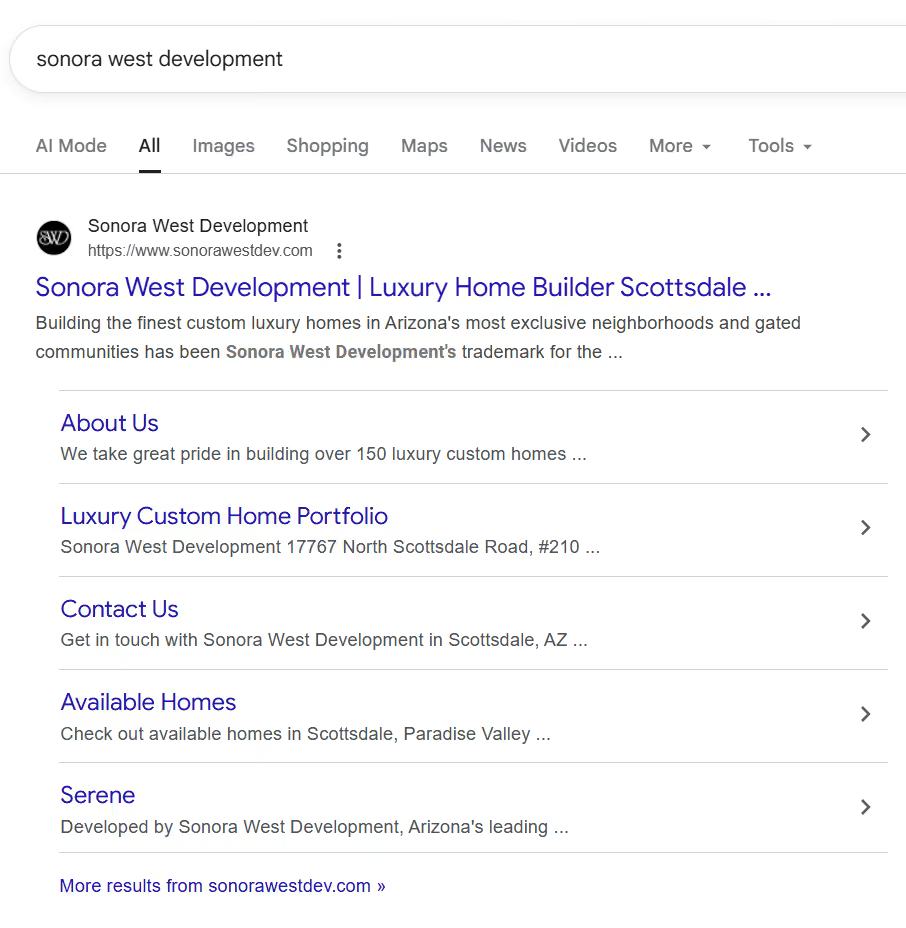
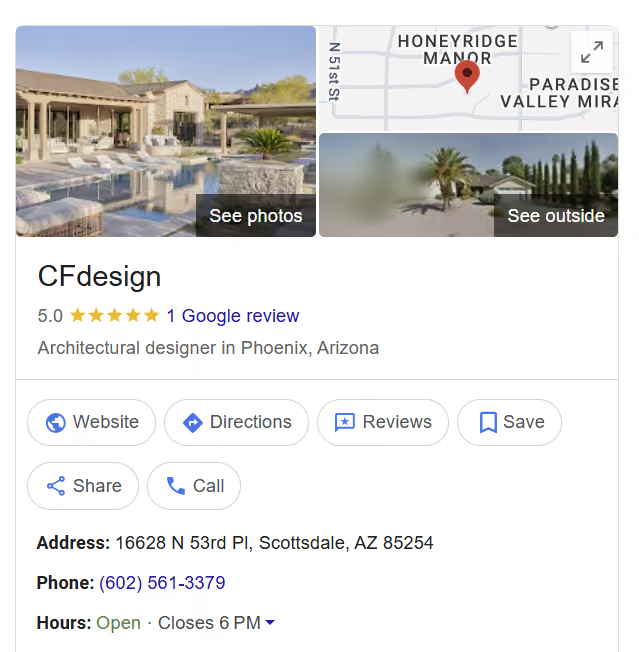
Structured data that tells Google exactly what your business does, where you operate, what services you provide, and what your projects look like. When prospects search your company name, Google shows rich results with your logo, service areas, and project types.
Not a single competitor will mention this because most web designers don't understand how luxury residential firms actually get business.
Schema markup is code that structures your website information for search engines. It doesn't change what visitors see—it changes what Google understands about your business.
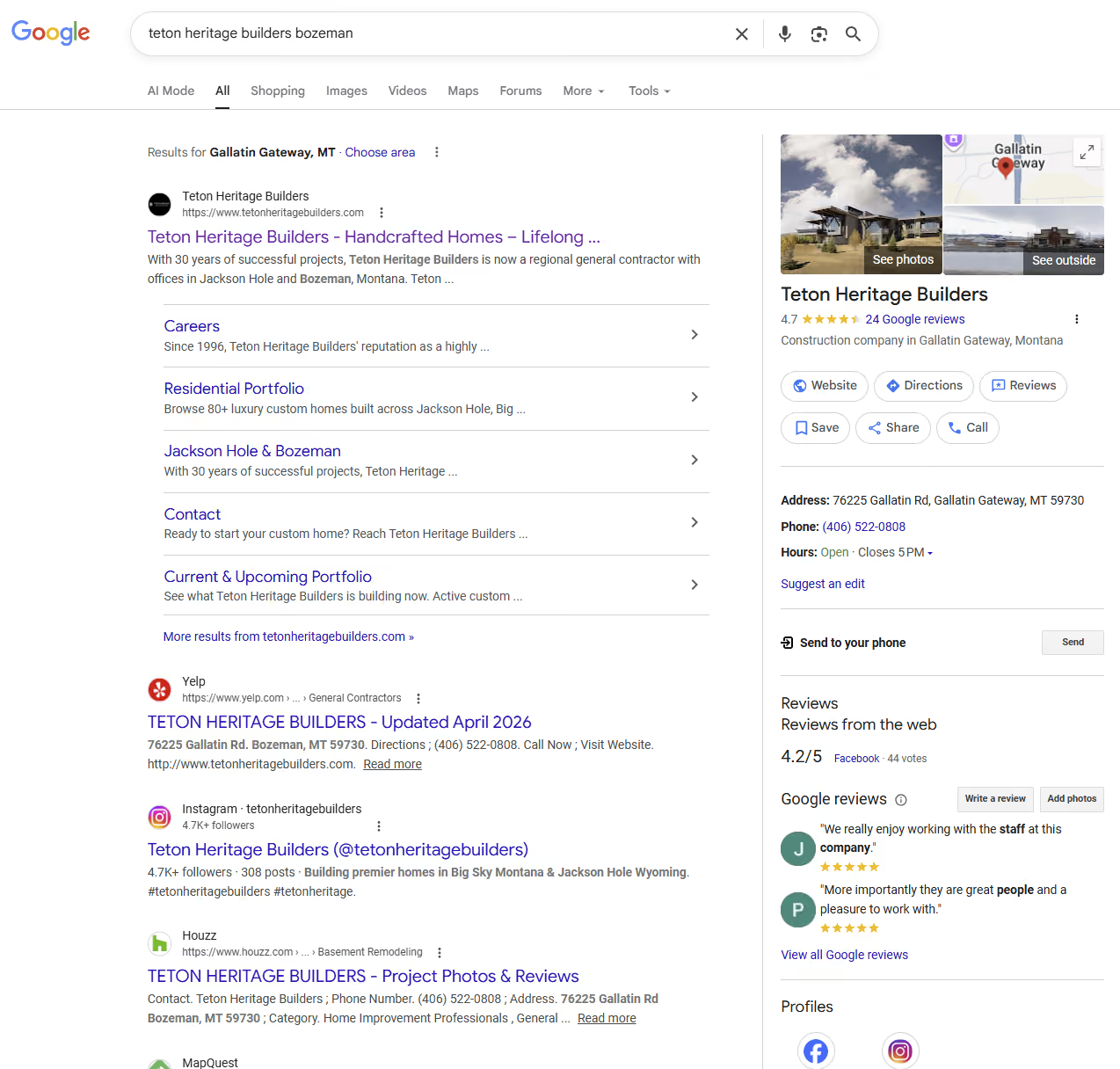
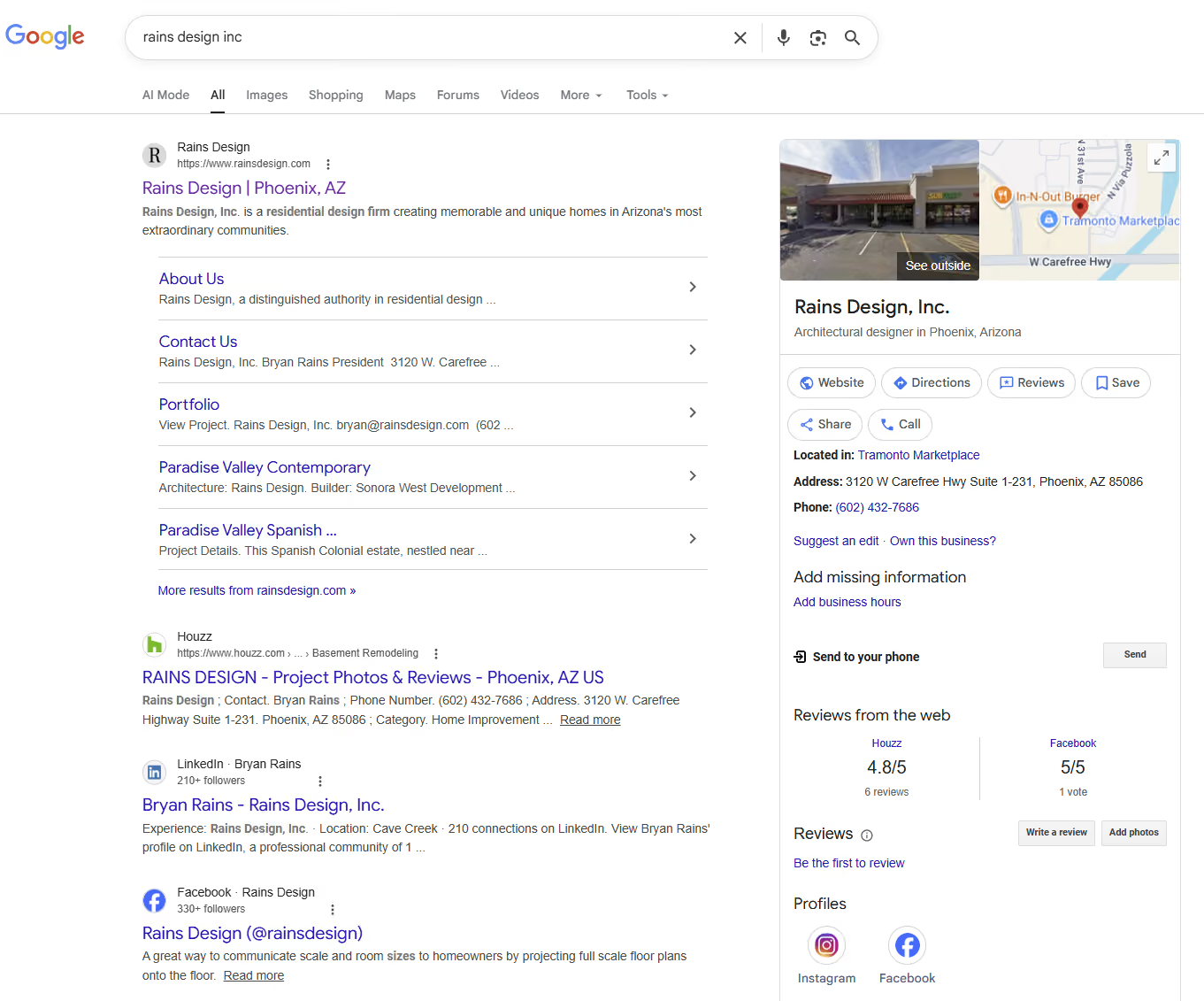
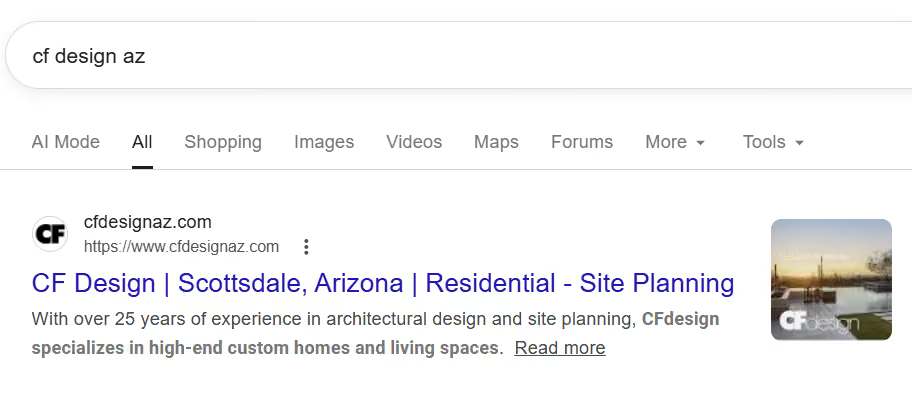
When someone Googles "[Your Company Name]," proper schema markup means Google displays:
This is referral validation in action. The search result itself communicates professionalism before the prospect even clicks.
We implement LocalBusiness schema, AggregateRating schema, ImageObject schema for projects, Person schema for team members, and social profile linking. It takes 1-3 hours per site, it's invisible to visitors, and it's a competitive advantage because nobody else is doing it.
Technical SEO calibrated for brand-name searches and local market positioning—not chasing rankings for broad keywords you don't need. Strategic optimization for how luxury residential clients actually find you.
You don't need to rank #1 for "custom home builder Scottsdale." That's not where your $2M+ clients come from. They come from referrals, and they Google your company name to validate the recommendation.
SEO for referral validation means:
This is fundamentally different from traditional SEO. Most web designers optimize for organic traffic from cold prospects. We optimize for validation from warm referrals.
The return on investment is higher. A $2M+ client referred by their architect isn't comparison shopping—they're validating. Your job is to confirm the referral was good advice. Proper SEO makes that seamless.
The three most critical website capabilities for custom home builders working on $2M+ projects are portfolio filtering (so prospects can find relevant work by location and style), mobile optimization (because most referred clients check you out on their phone first), and dynamic team integration (because high-net-worth clients evaluate teams, not just finished homes).
These features differentiate professional luxury builders from generic contractors. When a realtor refers a $2M+ client to your site, these capabilities validate the referral immediately.
Portfolio websites validate referrals by providing instant proof of competence when prospects Google your company name. When a realtor, architect, or past client refers you, the prospect's next step is always the same: they search "[Your Company Name]" to verify the recommendation.
Your website needs to confirm the referral was good advice. That means prominent portfolio display, clear credibility signals (awards, publications, testimonials), professional presentation, and evidence your team has successfully delivered similar projects. These website features turn referral validation from a hurdle into an advantage.
Regular galleries show all your projects in chronological order or manually curated categories. Prospects scroll through everything hoping to find relevant work. Portfolio filtering lets prospects control what they see by selecting location, style, price range, or project type.
For luxury residential firms working across multiple markets or styles, portfolio filtering is essential. A prospect in Jackson Hole doesn't want to scroll through your Scottsdale work. A modern aesthetic client doesn't want to review traditional projects. Filtering delivers instant relevance.
Interior designers working on investment-level residential projects absolutely benefit from team integration. High-end clients want to see the specific designer they'll work with, not just the firm.
Dynamic team integration lets prospects click a designer's name and see all their projects, publications, and collaborations. It builds confidence by showing depth of experience. When a prospect sees their potential designer has successfully delivered 15 luxury residences in similar styles, that's validation.
Most referred clients check you out on their phone first, sitting in a realtor's office, riding home from an architect meeting, or reviewing options at night. If your site doesn't work perfectly on mobile, you've lost them before the conversation starts.
Mobile optimization for luxury residential means fast-loading high-resolution images, touch-friendly gallery navigation, and intuitive mobile menus. It's not just "responsive design" where everything shrinks—it's deliberate decisions about what prospects see first on a small screen.
Traditional SEO targets broad keywords like "custom home builder [city]" to generate organic leads from cold prospects. SEO for referral validation targets brand-name searches and ensures your site validates warm referrals from trusted sources.
Luxury residential professionals don't get $2M+ clients from Google searches. You get business from realtors, architects, and past clients. Those referrals Google your company name to verify the recommendation. Your website needs to appear instantly, look professional, and communicate competence. That's referral validation SEO.
These aren't theoretical features. They're live on custom home builder, interior designer, and landscape architect websites across Jackson Hole, Scottsdale, Bozeman, and luxury markets throughout the Mountain West and Southwest.
Every capability on this page is part of how we build. They come together across three levels: Presence, Portfolio and Studio. Presence is a complete site with your portfolio set up in the CMS, so you can add projects yourself as your work grows. Portfolio adds filtering, project storytelling and team pages linked to the projects they delivered. Studio adds the fully relational architecture that cross-links every project, team member and partner. You choose how much structure your work needs, and the capabilities follow.
We understand how referral networks work because we spent ten years inside residential real estate and mortgage banking before building websites for the firms in them.
When you're ready to discuss visual-first web design for your firm, we're here.
Let's talk about your projects, your partners, and the content that will help your next referral decide to call.
No pressure. Just an honest conversation about what will work best for your business.

Ready to get started? Let's discuss the marketing needs of your business.
+1 (702) 321-0790
A 30 minute Digital Strategy Session is the perfect way to start. No cost. No obligation.
Book with Calendly
